Dental implants
A titanium artificial root placed in the jawbone to replace a missing tooth. The gap is filled without grinding down the neighboring teeth; implants can be planned for one tooth, several teeth or a whole jaw.
Last updated: 9 November 2026
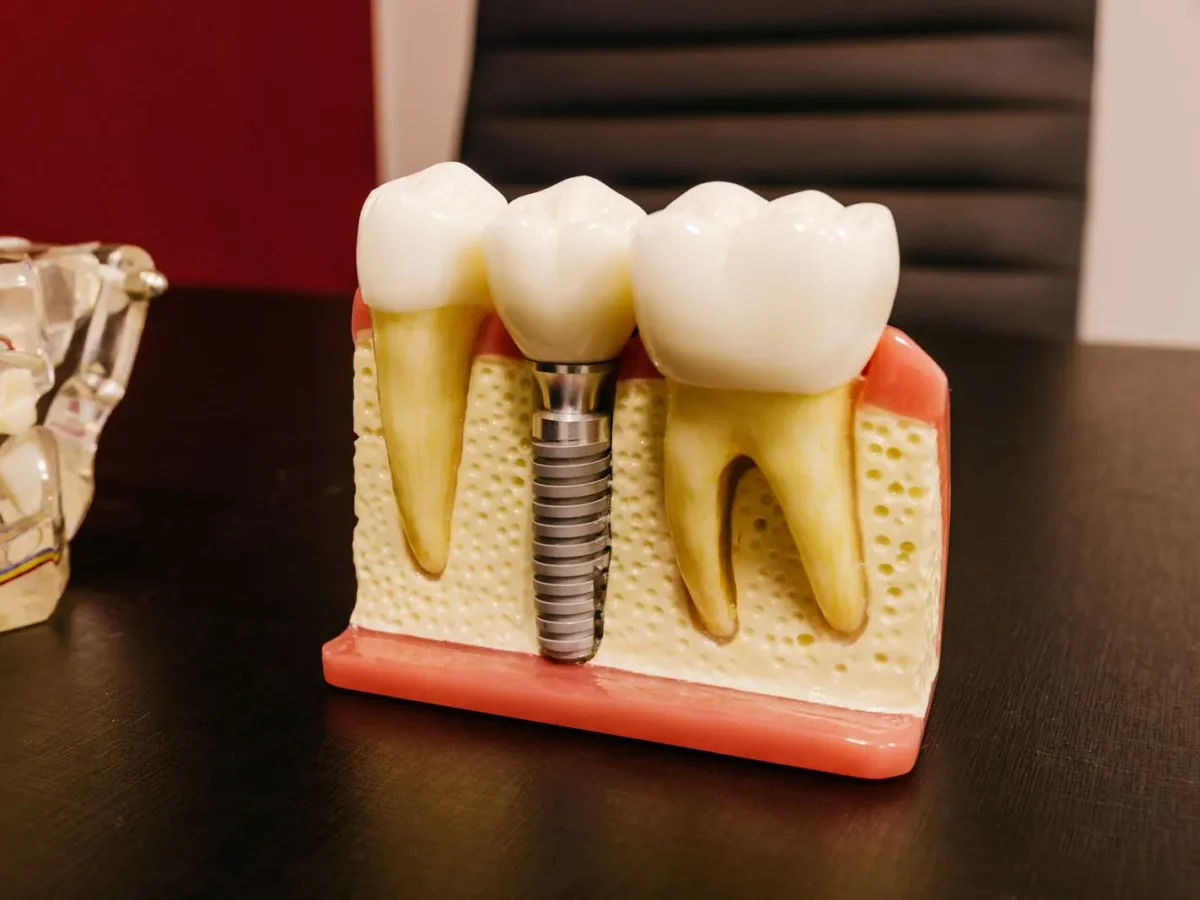
What is a dental implant?
A dental implant is a screw-shaped artificial root, usually made of titanium, placed in the jawbone in place of a lost tooth’s root. Once it has fused with the bone, a crown, bridge or denture is fitted on top. This way the missing tooth can be replaced without touching the healthy neighboring teeth.
A missing tooth is not only a cosmetic problem. The neighboring teeth can tilt into the gap, the opposing tooth can over-erupt, and the jawbone in that area shrinks over time. By transmitting chewing forces to the bone, an implant helps slow this bone loss.
Who are implants suitable for?
- People missing one or a few teeth who do not want their neighboring teeth ground down,
- Patients who struggle with a removable denture and want a more stable solution,
- People with no teeth in a jaw who want their denture secured with implants.
Implants are not placed in young people whose jaw has not finished growing. Uncontrolled diabetes, certain bone medications, heavy smoking and untreated gum disease can affect the success of an implant; these are assessed in detail at the examination. If there is gum disease, gum treatment comes first.
Send us your question and our dentist will answer based on your situation. A definite plan cannot be made without an examination; the first step is a short consultation.
Stages of implant treatment
- Examination and X-ray. Bone volume and nearby anatomical structures are assessed. X-rays are taken at our practice; 3D imaging is requested if needed.
- Planning. The number, size and position of the implants are planned according to the tooth that will go on top. If there is not enough bone, bone grafting or sinus procedures may be needed.
- Placing the implant. Done under local anesthesia. Sedation is available for anxious patients.
- Healing. Usually a few months are allowed for the implant to fuse with the bone. A temporary tooth is used in the meantime if needed.
- Restoration. Impressions are taken and a zirconia or porcelain crown, bridge or denture is fitted.
- Check-ups. Regular check-ups and professional cleaning are essential for implant health.
Care after implants
- In the first days, cold compresses and the medicines your dentist recommends reduce swelling and tenderness.
- Avoiding smoking during healing is important.
- Implants do not decay, but the gum around them can become inflamed (peri-implantitis). Brushing, interdental brushes and floss are essential.
- Have a check-up and cleaning every six months.
Frequently asked questions
Do implants hurt?
The procedure is done under local anesthesia. Afterwards there may be tenderness and swelling for a few days, controlled with the medicines your dentist recommends.
How long does implant treatment take?
Placement is usually done in one session. The total time, including healing and the restoration stage, varies from person to person.
Can implants be placed at any age?
They can be placed in adults with suitable general health once jaw growth is complete. Older age alone is not a barrier.
Do implants last a lifetime?
An implant’s lifespan depends on oral hygiene, smoking, general health and regular check-ups. It would not be right to promise a fixed period.
What is the difference between Turkish-made and imported implants?
What matters is the brand’s clinical track record, availability of parts and suitability for your case. The options are explained to you at the examination.
Implant or bridge?
A bridge gets support by reducing the teeth on either side of the gap; an implant does not touch the neighboring teeth. We choose the right option together after assessing your bone, general health and neighboring teeth.
What are the stages of implant treatment?
Planning with an examination and X-rays, placing the implant, a healing period for the implant to fuse with the bone, and fitting the restoration (crown or denture). The healing period varies by person and area.

Yeditepe University, 2006. Completed her specialty in periodontology in 2010. After treatment, she focuses on helping you build brushing and care habits that suit you.
Dentist’s pageThe information on this page is for general guidance only. The treatment that suits you is decided by your dentist after an examination and any necessary tests; the duration and outcome of treatment vary from person to person.
Treatments often planned together.
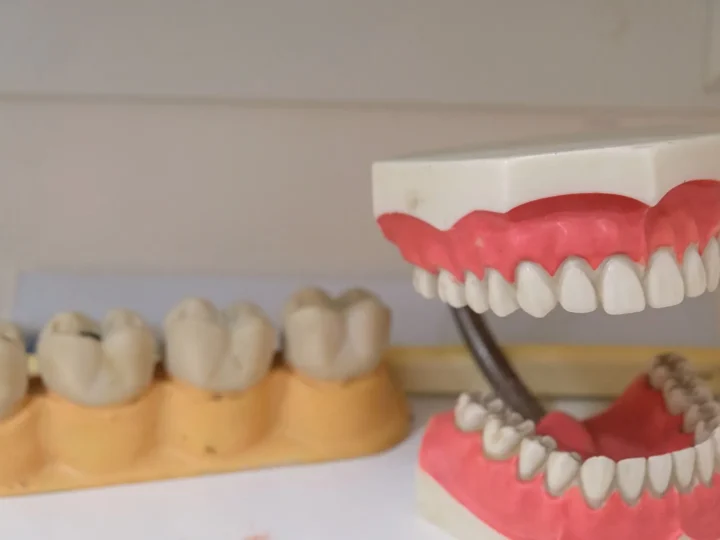 General treatmentsDentures and bridgesMissing teeth are replaced with bridges, partial or full dentures, supported by implants when needed.
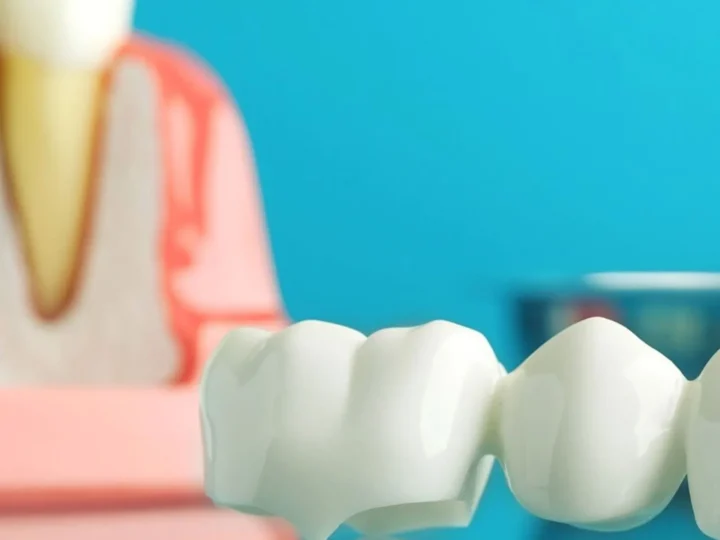 CosmeticZirconia crownsMetal-free crowns that let light through much like a natural tooth; suitable for front and back teeth.
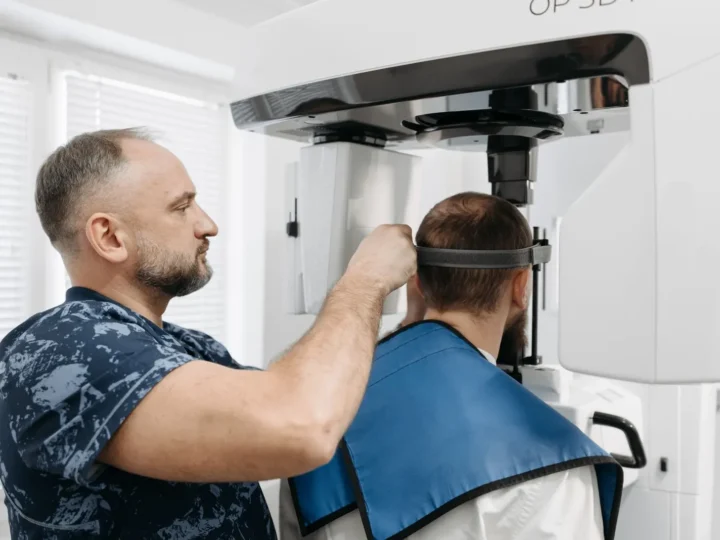 Surgery and implantsOral surgerySurgical treatments in the mouth such as extractions, impacted teeth, cysts and bone procedures.
 General treatmentsGum treatmentBleeding when brushing, swelling or receding gums. Treated by our periodontist, Dr. Nazlı Özdemir.