Prepless veneers
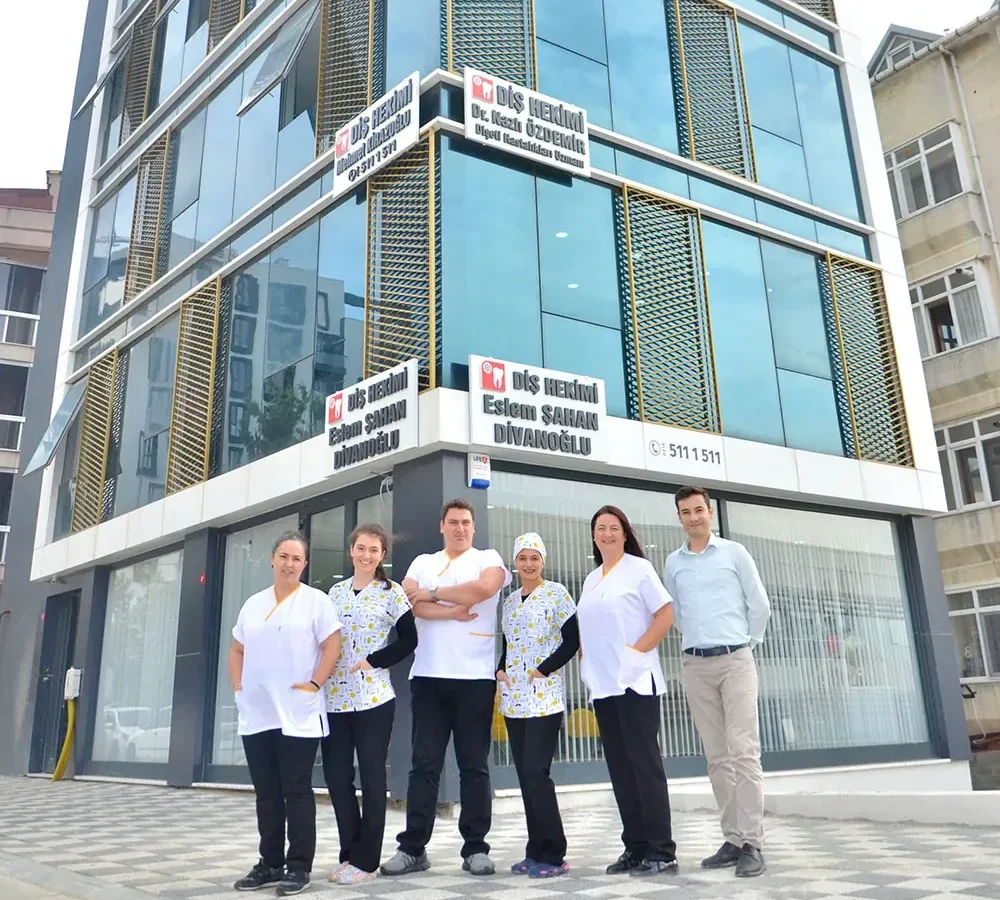
Contact-lens-thin porcelain veneers bonded with no or minimal tooth preparation. Color, shape and gaps can be corrected while most of the natural tooth is preserved.
Last updated: 9 November 2026
What are prepless veneers?
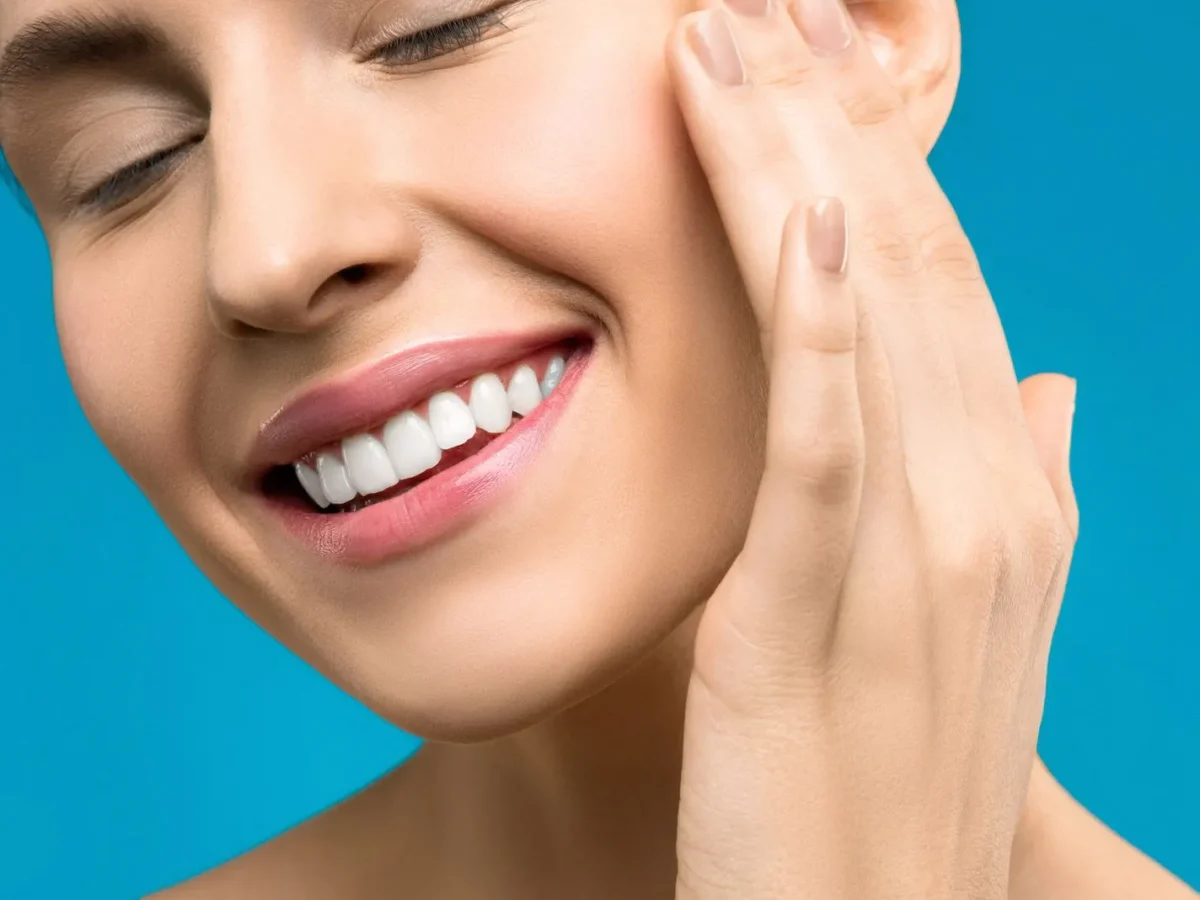
Veneers are thin porcelain shells bonded to the front surface of the teeth. With conventional veneers, some enamel is removed from the tooth surface to make room for the porcelain. Prepless (no-prep) veneers are made extremely thin and bonded without touching the tooth, or with only very limited reshaping.
The key difference is that most of the healthy enamel is preserved. Enamel is the strongest layer of the tooth and cannot regenerate; the less of it is removed, the more options remain for future treatment.
Who are they suitable for?
Prepless veneers do not suit every smile; the position and size of the teeth are decisive. They are usually considered for:
- Front teeth that look small or short,
- Gaps between the teeth (diastema),
- Discoloration that does not respond to whitening,
- Teeth with slight wear or chips at the edges,
- Front teeth with uneven shapes.
For teeth that are positioned forward or crowded, prepless veneers may not be suitable; in that case conventional porcelain veneers, orthodontics or a combination are considered. The decision is made after an examination, photographs and impressions.
Send us your question and our dentist will answer based on your situation. A definite plan cannot be made without an examination; the first step is a short consultation.
How they differ from conventional veneers
Prepless veneers
The tooth is not touched, or only minimally. Numbing is often unnecessary. In suitable cases the enamel is preserved; because the porcelain is very thin, planning and bonding require precision.
Conventional porcelain veneers
A limited amount of enamel is removed to make room for the porcelain. They may be preferred when a bigger change in tooth position or color is wanted.
Treatment steps at our practice
- Examination and expectations. Your teeth and gums are checked and we talk about the smile you want. Any decay or gum problems are treated first.
- Photographs and impressions. A shape that suits your face and lip line is planned.
- Trial. Where possible, the planned shape is tried in your mouth temporarily; once you have seen and approved it, the laboratory stage begins.
- Bonding. After the color and fit are checked, the veneers made in the laboratory are bonded to the teeth.
- Follow-up. Your bite and gum fit are checked and you are given care advice.
Caring for veneers
- Brush twice a day and use floss or interdental brushes.
- Do not bite hard objects such as pens, nails or nut shells with your front teeth.
- If you clench at night, use the night guard your dentist recommends.
- Come for a check-up every six months; cleaning and polishing help your veneers last.
Frequently asked questions
Will my teeth be ground down for prepless veneers?
Prepless veneers are applied without touching the tooth or with very limited reshaping. How much is needed depends on the position of your teeth and is decided at the examination.
Do I need numbing?
When the tooth is not touched, it is often not needed. Local anesthesia is used if necessary.
Do veneers look natural?
Color, shape and translucency are planned to match your face and other teeth. You are asked to see and approve them at the trial stage.
How long do prepless veneers last?
It varies from person to person, depending on oral hygiene, clenching habits and regular check-ups. Your dentist will give you personal guidance.
How many appointments does it take?
Usually a few appointments: examination and impressions, trial, and bonding. The timeline depends on the laboratory stage and any treatment needed beforehand.
Prepless veneers or zirconia?
If your teeth are healthy and the issue is only color, shape or small gaps, prepless veneers may be considered. If a tooth has a large filling, a fracture or a root canal treatment, a zirconia crown may be more suitable. The decision is made after an examination and X-rays if needed.
Are prepless veneers suitable for everyone?
No. Tooth alignment, bite, clenching habits and gum health are assessed. If they are not suitable, other options are explained to you.

Istanbul University Faculty of Dentistry. Spent nine years at the dental clinic of Pendik Regional Hospital; more than 15 years of experience with general anesthesia and sedation.
Dentist’s pageThe information on this page is for general guidance only. The treatment that suits you is decided by your dentist after an examination and any necessary tests; the duration and outcome of treatment vary from person to person.
Treatments often planned together.
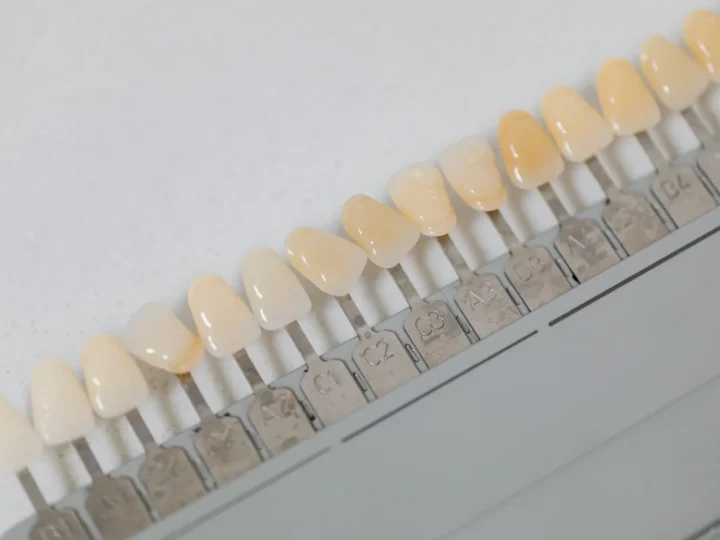 CosmeticPorcelain veneersThin porcelain shells bonded to the front teeth to correct color, length and shape.
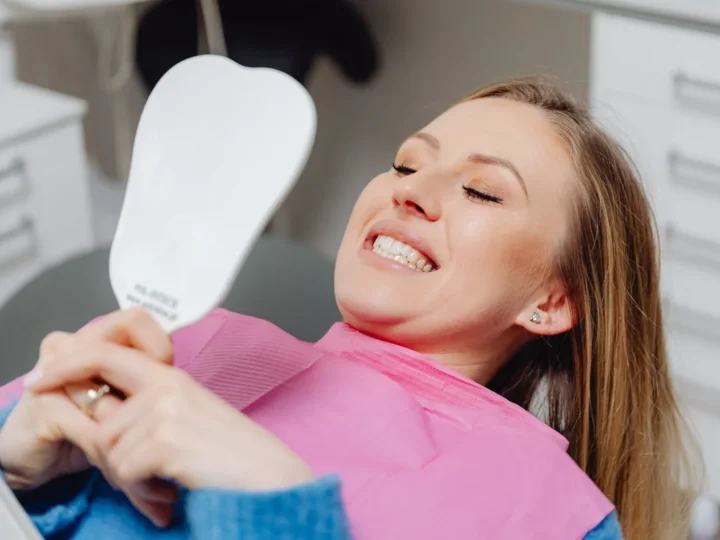 CosmeticSmile designGums, tooth color, length and alignment are planned together for a natural smile that suits your face.
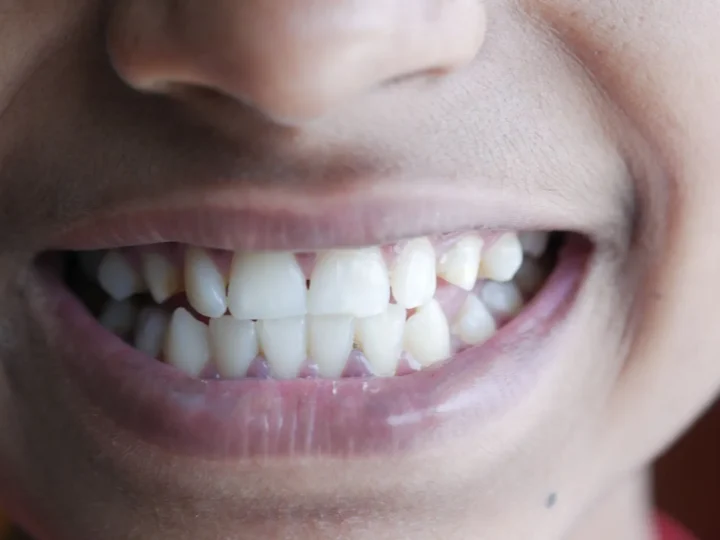 CosmeticTeeth whiteningDiscoloration of the enamel is lightened under dentist supervision, in the practice or at home.
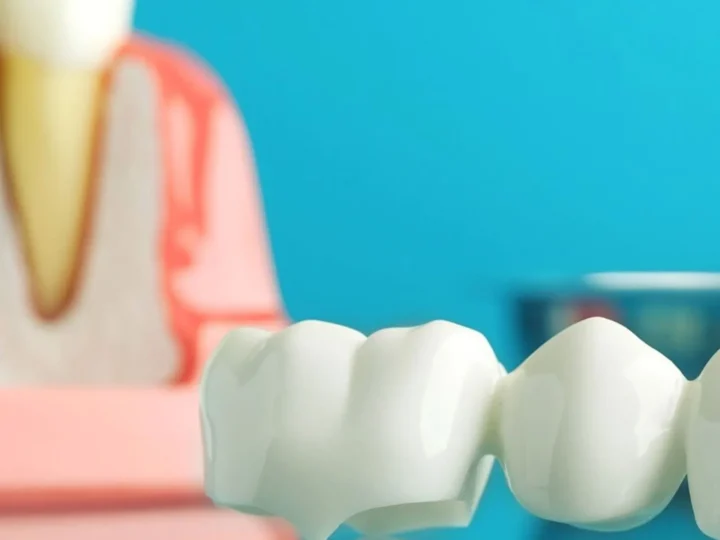 CosmeticZirconia crownsMetal-free crowns that let light through much like a natural tooth; suitable for front and back teeth.