Scaling and cleaning
Tartar that brushing cannot remove is cleaned and the surfaces are polished. The simplest step to prevent gum disease and reduce bad breath; usually recommended every six months.
Last updated: 9 November 2026

How does tartar form?
Bacterial plaque constantly builds up on the tooth surface. Plaque that is not removed by brushing and flossing combines with minerals in saliva and hardens into tartar within days. Tartar creates a rough surface where more plaque sticks, and gum inflammation, bleeding and bad breath begin. Tartar cannot be brushed off; only a dentist can remove it.
How is scaling done?
- Examination. The gums and tooth surfaces are checked; X-rays are taken if needed.
- Ultrasonic cleaning. Vibrating tips break up and remove tartar on and just below the gum line.
- Hand instruments. Hard-to-reach areas are cleaned with hand instruments.
- Polishing. The tooth surfaces are polished smooth, which makes it harder for plaque to stick again.
- Care advice. You are shown the right brush, interdental brushes and technique for you.
If there are deep pockets and tartar below the gums, a deep cleaning (root planing) under local anesthesia is needed. This is planned as part of gum treatment by our periodontist Dr. Nazlı Özdemir.
Send us your question and our dentist will answer based on your situation. A definite plan cannot be made without an examination; the first step is a short consultation.
How often should I have it?
For most people a check-up every six months, with cleaning if needed, is enough. For people who build tartar quickly, smokers, people with diabetes, orthodontic patients and those treated for gum disease, the interval may be three months.
After cleaning
- There may be sensitivity to cold and slight gum bleeding for a few days; this usually passes on its own.
- Because surfaces under the tartar are now exposed, you may feel gaps between your teeth; these are the spaces the tartar was filling.
- On the first day, avoid staining drinks and smoking, such as tea and coffee.
Frequently asked questions
Does scaling damage the enamel?
Scaling done by a dentist with the right technique does not wear the enamel. The real damage comes from tartar left on the teeth, which harms the gums and bone.
Does scaling hurt?
Most people feel mild vibration and sensitivity. Local anesthesia can be used for high sensitivity or deep cleaning.
Does scaling whiten the teeth?
It removes surface stains and tartar, so the teeth may look lighter, but it does not change the tooth’s own color. That needs teeth whitening.
Can I have scaling during pregnancy?
Gum bleeding is common in pregnancy and cleaning is usually recommended. Always tell us you are pregnant at the examination; your dentist will plan the right time.
What should I watch after scaling?
There may be sensitivity to hot and cold for a few days; prefer lukewarm food. Mild gum bleeding usually stops quickly. Regular brushing and flossing slow down new tartar.

Yeditepe University, 2006. Completed her specialty in periodontology in 2010. After treatment, she focuses on helping you build brushing and care habits that suit you.
Dentist’s pageThe information on this page is for general guidance only. The treatment that suits you is decided by your dentist after an examination and any necessary tests; the duration and outcome of treatment vary from person to person.
Treatments often planned together.
 General treatmentsGum treatmentBleeding when brushing, swelling or receding gums. Treated by our periodontist, Dr. Nazlı Özdemir.
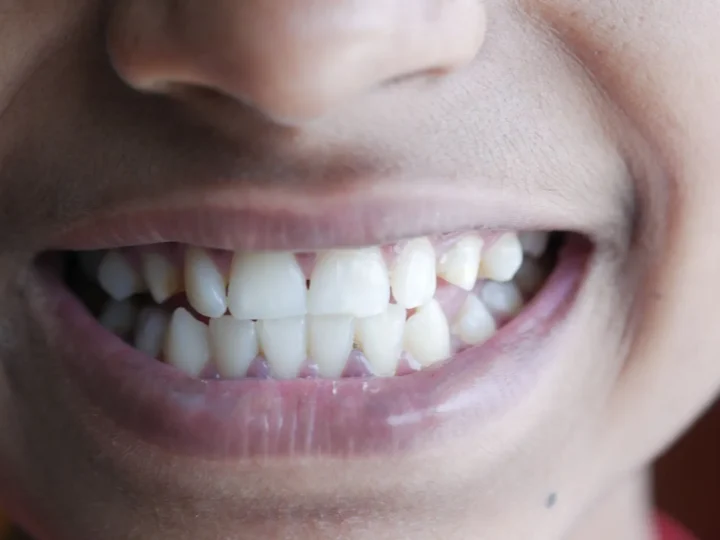 CosmeticTeeth whiteningDiscoloration of the enamel is lightened under dentist supervision, in the practice or at home.
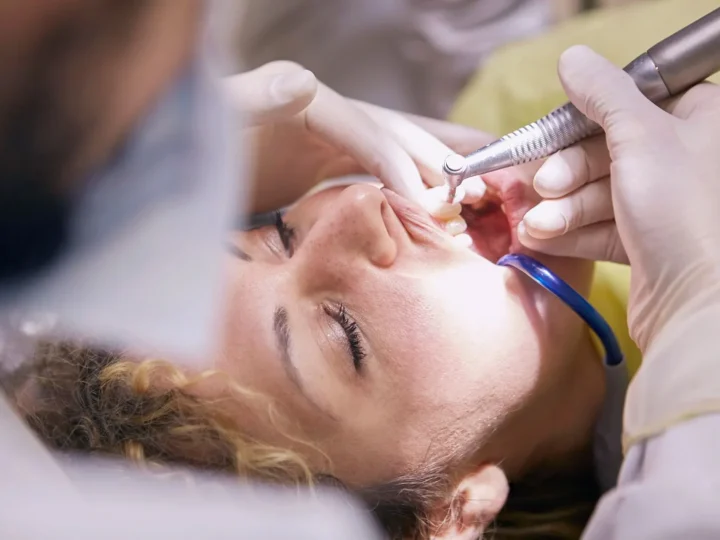 General treatmentsDental fillingsAfter the decay is removed, the tooth is restored to its natural shape with tooth-colored composite fillings.
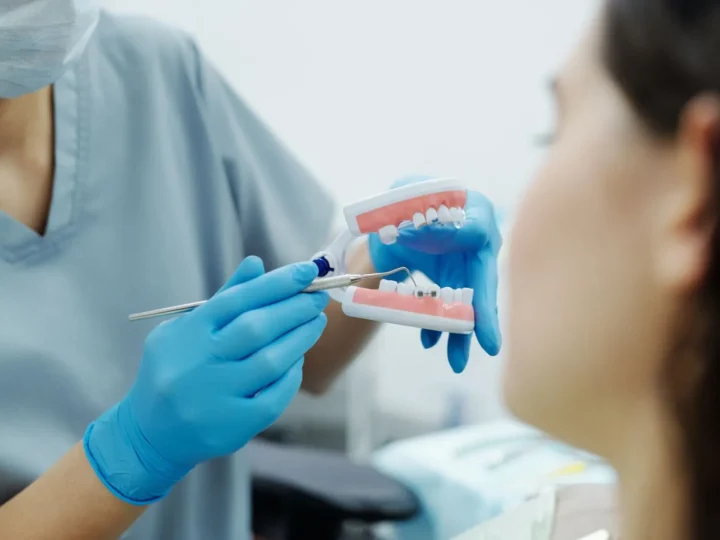 General treatmentsBruxism (teeth grinding)A night guard reduces the damage that clenching and grinding at night cause to the teeth and jaw joint.