Teeth whitening
Stains on and inside the enamel are lightened under dentist supervision, at the practice or at home with custom trays. A check-up and cleaning come first.
Last updated: 9 November 2026
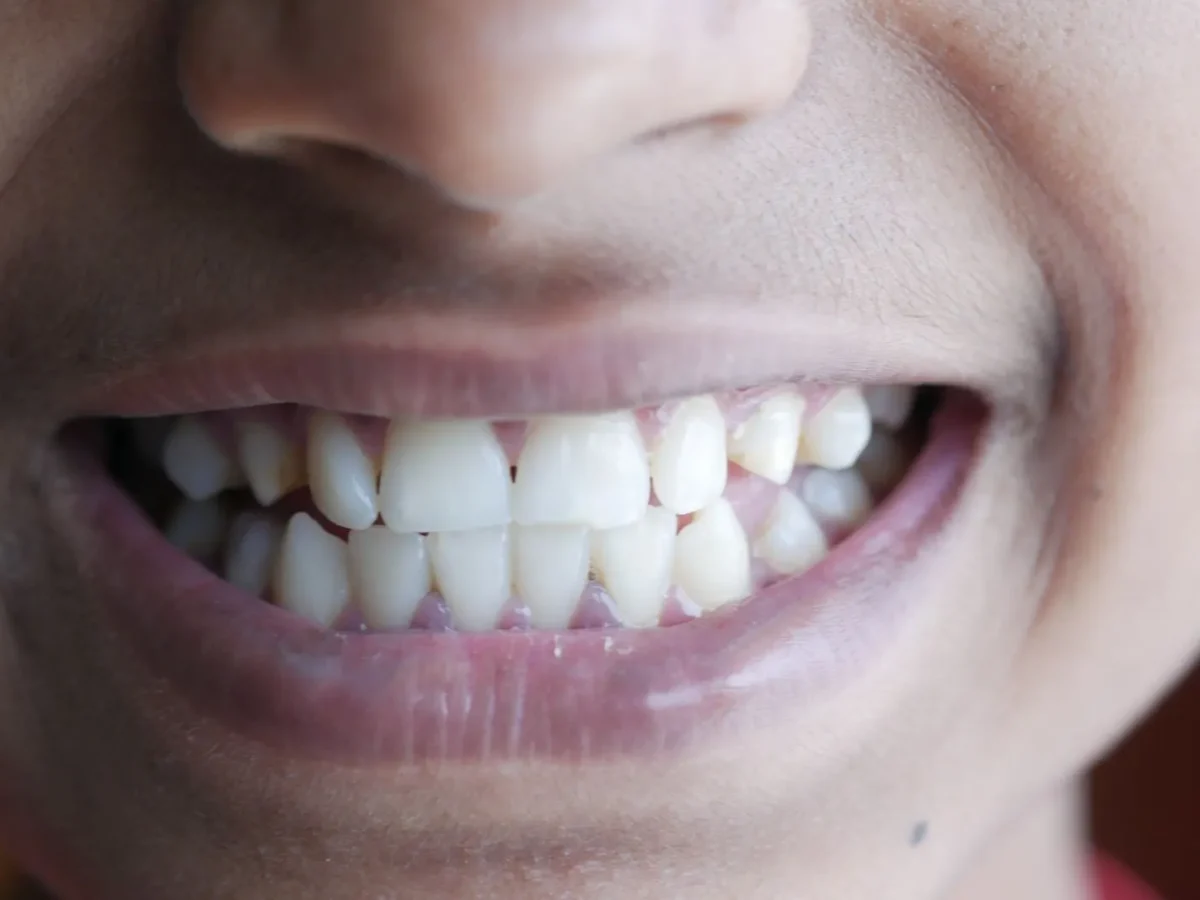
What is teeth whitening?
Teeth whitening lightens the natural color of the teeth with whitening gels applied under dentist supervision. Over time, tea, coffee, smoking, certain foods and age darken the teeth. Whitening reduces this discoloration without wearing away tooth structure.
Whitening only works on natural teeth; the color of fillings, crowns and veneers does not change. If you have fillings or crowns on your front teeth, they may need replacing after whitening. That is why planning starts with an examination.
Methods
In-office whitening
After the gums are protected, a whitening gel is applied to the teeth. A noticeable change is aimed for in one appointment; the session is repeated if needed.
At-home whitening
The gel your dentist gives you is used at home for a set period with clear trays made for your mouth. It is slower but controlled.
Some patients use both methods. For a single tooth discolored from the inside after root canal treatment, internal whitening may be considered.
Send us your question and our dentist will answer based on your situation. A definite plan cannot be made without an examination; the first step is a short consultation.
Who is it not suitable for?
- People with untreated decay or gum inflammation (these are treated first),
- People with severe tooth sensitivity,
- Pregnant and breastfeeding women,
- Young children with baby teeth or newly erupted permanent teeth.
Whitening steps
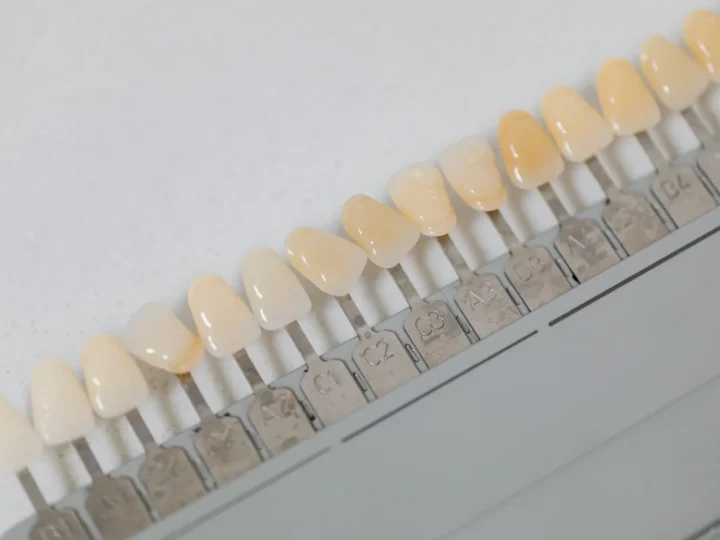
- Examination. Decay, fillings and gums are checked; the current shade is recorded.
- Scaling and cleaning. Tartar and surface stains are removed.
- Application. The gel is applied at the practice or at home, depending on the method chosen.
- Follow-up. The result is reviewed and you get advice on keeping the color.
After whitening
- Avoid tea, coffee, cola, red wine and smoking for the first 48 hours.
- Temporary sensitivity may occur and usually passes within a few days. Your dentist may recommend a desensitizing product if needed.
- Regular brushing and a check-up every six months help the color last longer.
Frequently asked questions
Is teeth whitening harmful?
Whitening done under dentist supervision at a suitable concentration does not wear away tooth structure. Temporary sensitivity may occur. We recommend avoiding uncontrolled products bought online.
How long does whitening last?
It varies with diet, smoking and oral hygiene. Some darkening may occur over time; a short top-up treatment can be done if needed.
Will fillings and crowns whiten too?
No. Whitening only affects natural tooth structure. Visible fillings and crowns may need replacing afterwards.
How white will my teeth get?
It depends on the structure of your teeth and the cause of the discoloration. You are given a realistic expectation at the examination.
The information on this page is for general guidance only. The treatment that suits you is decided by your dentist after an examination and any necessary tests; the duration and outcome of treatment vary from person to person.
Treatments often planned together.
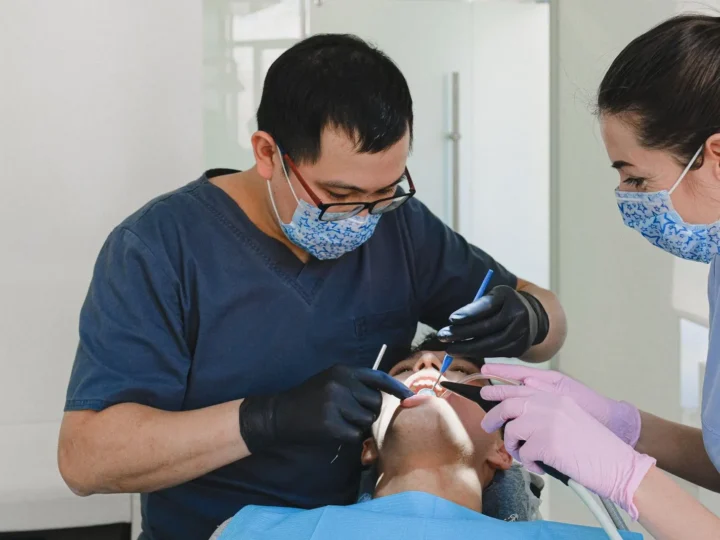 General treatmentsScaling and cleaningTartar that brushing cannot remove is cleaned and the surfaces are polished, helping prevent gum disease.
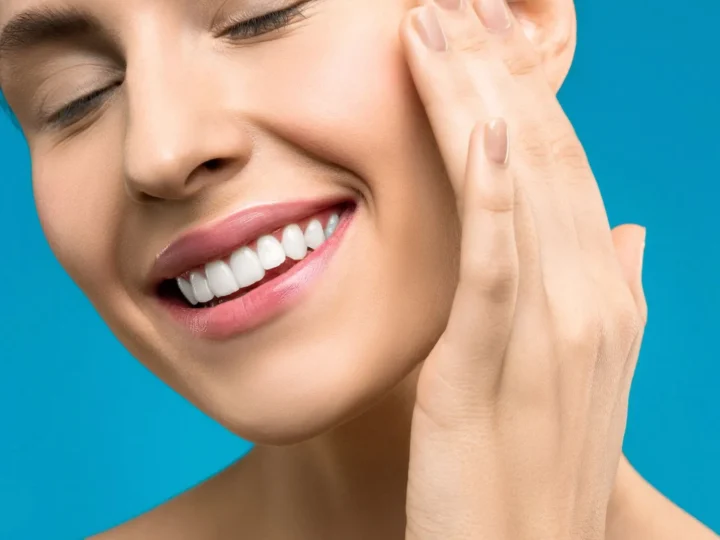 CosmeticPrepless veneersContact-lens-thin porcelain veneers bonded with no or minimal tooth preparation.
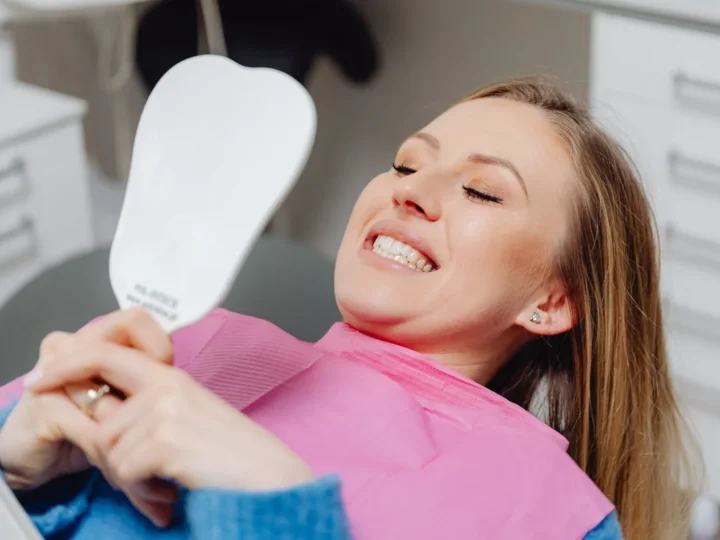 CosmeticSmile designGums, tooth color, length and alignment are planned together for a natural smile that suits your face.
 CosmeticPorcelain veneersThin porcelain shells bonded to the front teeth to correct color, length and shape.