Sedation dentistry
Under sedation you drift into a sleep-like state with your reflexes preserved; you usually do not feel or remember what happens during treatment. It is carried out at our practice with an anesthesiologist present.
Last updated: 9 November 2026
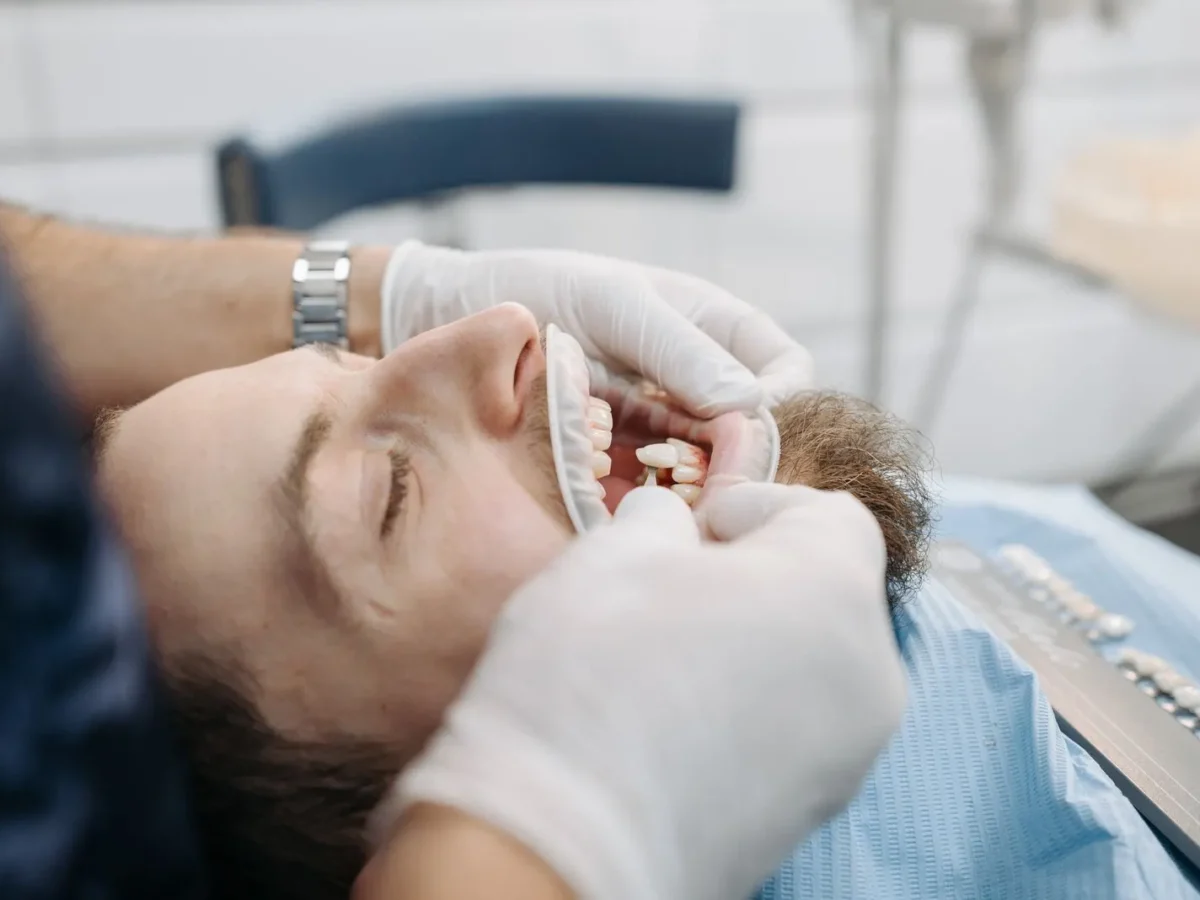
What is sedation?
Sedation means bringing the patient into a calm, sleepy state with medicines given by an anesthesiologist through a vein or, in suitable cases, through the nose. Unlike general anesthesia, reflexes are preserved and the patient breathes on their own. Most patients do not remember what happens during treatment, and the treatment feels much shorter than it is.
Sedation does not remove pain on its own; the treated area is also numbed with local anesthesia. This keeps both your anxiety and any discomfort during treatment to a minimum.
Sedation is carried out at our practice, with an anesthesiologist present. Treatment is led by Eslem Şahan Divanoğlu, DDS, who has more than 15 years of experience with sedation and general anesthesia.
Who is it suitable for?
- Adults who find it hard to sit in the dental chair and have put off treatment for years,
- People with strong anxiety about treatment after a bad experience,
- Long procedures such as impacted wisdom tooth removal, implants or several root canal treatments,
- Patients whose strong gag reflex makes even impressions or X-rays impossible,
- Children who can cooperate in the chair for a short time but not for the whole treatment.
For patients who need very extensive treatment or are unlikely to relax enough with sedation, general anesthesia is considered. The decision is made together by our dentist and the anesthesiologist after an examination.
Send us your question and our dentist will answer based on your situation. A definite plan cannot be made without an examination; the first step is a short consultation.
Sedation vs general anesthesia
Sedation
A sleep-like state; reflexes are preserved and the patient breathes on their own. The treated area is numbed separately. Recovery is usually quicker.
General anesthesia
The patient is fully asleep and unconscious. It is preferred for long, extensive treatment, young children and severe fear.
How does treatment work?
- Examination and plan. The treatment needed is identified and X-rays are taken if necessary.
- Anesthesia assessment. You are asked about your general health, medicines and allergies, and told how long to fast.
- Sedation. The anesthesiologist gives the medicine and monitors your blood pressure and pulse throughout.
- Treatment. Our dentist carries out the planned procedures.
- Recovery and going home. You rest until you feel well. You need someone to take you home and must not drive that day.
Before and after sedation
- Do not eat or drink for the period you are told.
- Tell us about all your medicines at the examination.
- Bring someone with you on the treatment day.
- You may feel sleepy for a few hours afterwards; rest for the rest of the day and avoid important decisions or signing documents.
Frequently asked questions
Am I awake during sedation?
Under sedation you are in a deep, sleep-like state with your reflexes preserved. Most patients do not remember what happens during treatment.
Will I feel pain under sedation?
The treated area is also numbed with local anesthesia. Sedation helps reduce both anxiety and any discomfort during treatment.
Who should not have sedation?
Sedation may not be suitable with some heart, breathing and other systemic conditions. The anesthesiologist decides this at the assessment.
How long does it take to recover?
Waking up is usually quick, but you may feel sleepy for the rest of the day. That is why you are asked to go home with someone.
Where is sedation done?
At our practice in Pendik Tavşantepe, with an anesthesiologist present.
Can a tooth be extracted under sedation?
Yes. Extractions, impacted wisdom teeth and implants can be done under sedation for suitable patients. Which procedures are planned in the same session is decided at the examination.
I am scared of the dentist. Is sedation right for me?
For many adults with dental fear, sedation is a suitable option. We start with a short consultation and examination; after your general health is assessed, we choose the right approach together.

Istanbul University Faculty of Dentistry. Spent nine years at the dental clinic of Pendik Regional Hospital; more than 15 years of experience with general anesthesia and sedation.
Dentist’s pageThe information on this page is for general guidance only. The treatment that suits you is decided by your dentist after an examination and any necessary tests; the duration and outcome of treatment vary from person to person.
Treatments often planned together.
 General anesthesia and sedationDental treatment under general anesthesiaChildren who cannot cooperate in the chair and adults with dental fear are treated while asleep, with an anesthesiologist present.
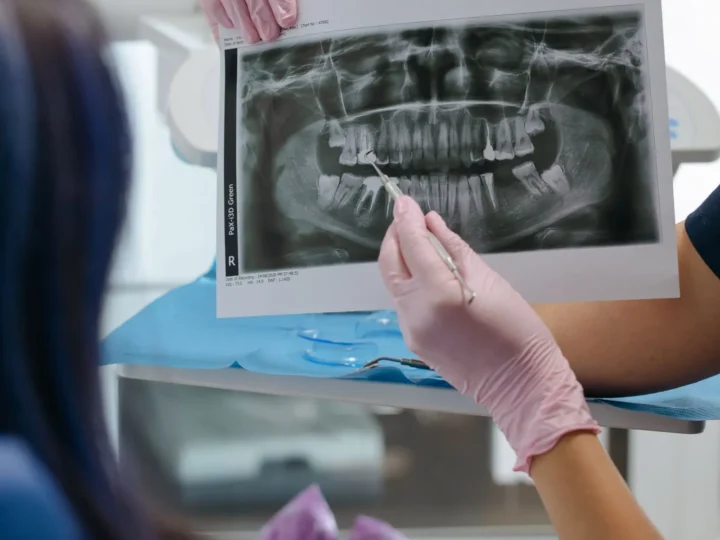 Surgery and implantsWisdom tooth removalImpacted wisdom teeth that cause pain, swelling or crowding are planned with an X-ray and removed.
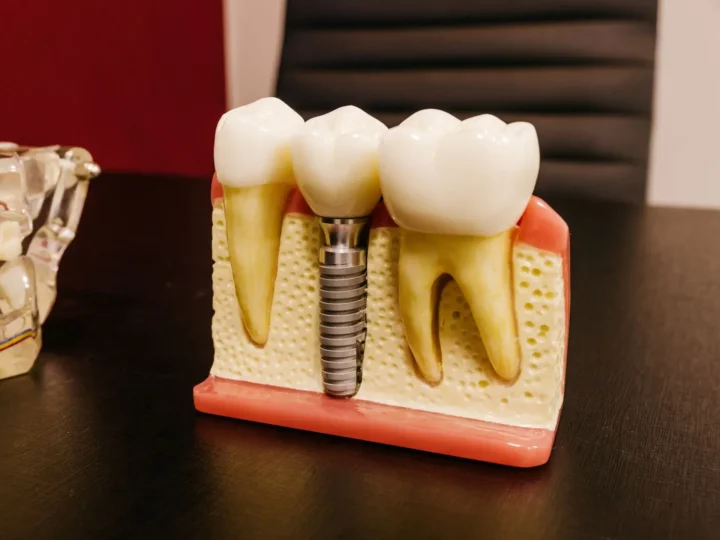 Surgery and implantsDental implantsAn artificial root placed in the jawbone to replace a missing tooth, without grinding down the neighboring teeth.
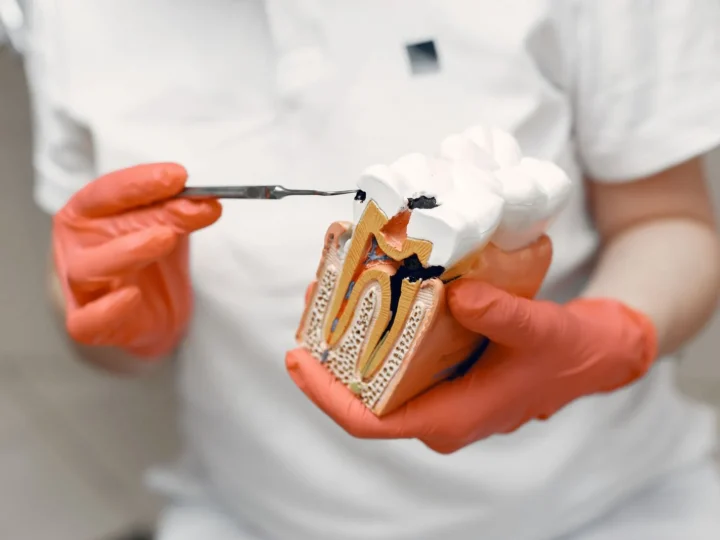 General treatmentsRoot canal treatmentA tooth whose nerve is damaged by decay or trauma is saved instead of being extracted.