Dentures, crowns and bridges
Missing teeth are replaced with bridges, partial or full dentures, supported by implants when needed. The aim is comfortable chewing, clear speech and a natural-looking smile.
Last updated: 9 November 2026
What is prosthetic dentistry?
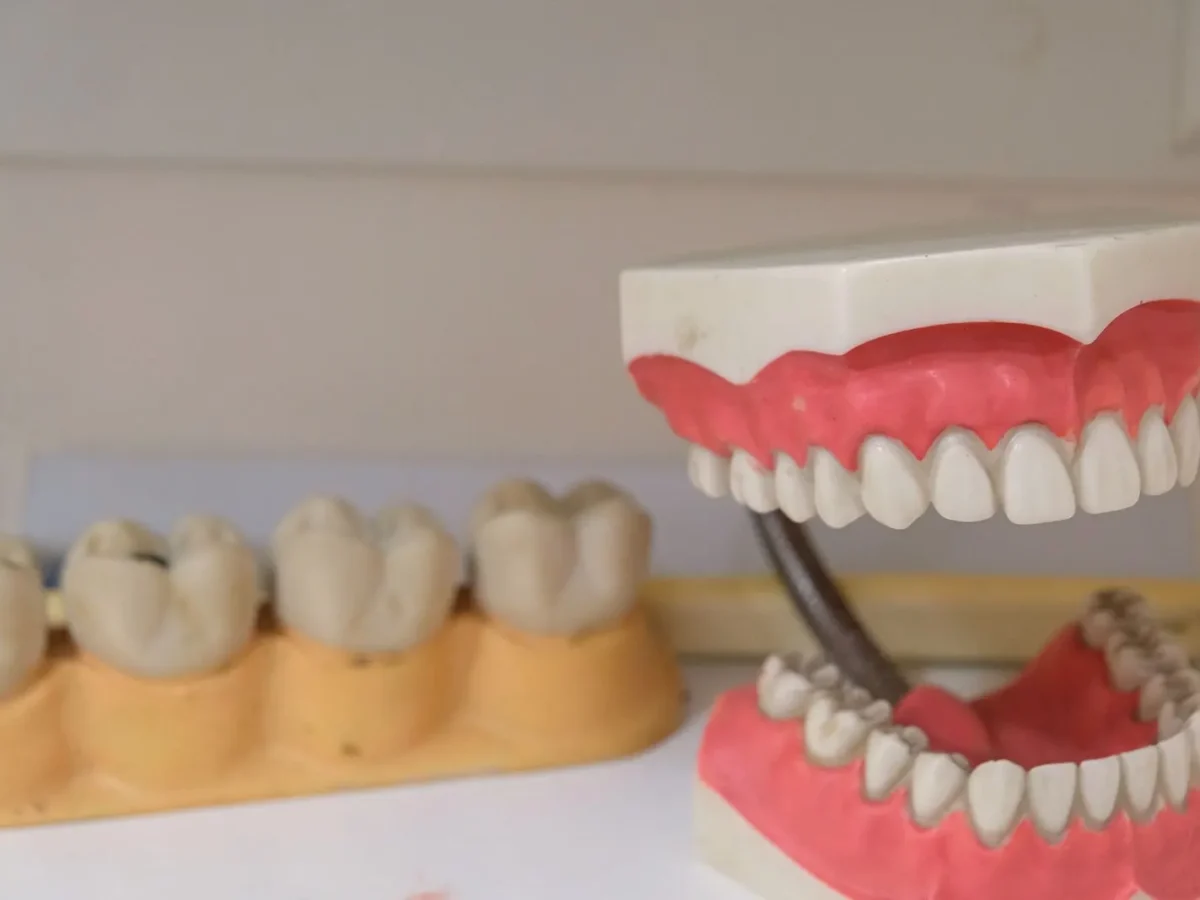
Prosthetic dentistry restores chewing, speech and appearance by replacing lost teeth and tissue with artificial teeth. A fixed or removable solution is planned according to the number of missing teeth, the condition of the remaining teeth, the jawbone and your expectations.
Types of prosthetics
Bridge
A fixed prosthesis that replaces a missing tooth using the teeth on either side for support. The supporting teeth are reduced for crowns.
Crown
A restoration that fully covers a tooth with significant loss of structure. Zirconia crowns
Partial denture
A removable denture that clips onto the remaining teeth in a partly toothless jaw.
Full denture
A removable denture resting on the gums and palate in a jaw with no teeth left.
Implant-supported dentures
Dentures fixed to or held by implants; they greatly reduce the movement of a removable denture.
Night guard
A clear guard that protects the teeth from clenching and grinding. Bruxism
Send us your question and our dentist will answer based on your situation. A definite plan cannot be made without an examination; the first step is a short consultation.
The treatment process
- Examination and X-ray. The remaining teeth, roots and jawbone are assessed.
- Preliminary treatment. Decay, root canal and gum treatments are completed; extractions are done if needed.
- Impressions. Impressions suited to your mouth are taken and the jaw relationship is recorded.
- Try-ins. Tooth arrangement, color and bite are tried in your mouth.
- Fitting and adjustments. The prosthesis is fitted and adjusted as needed in the first weeks.
Getting used to a new denture
Getting used to a removable denture takes some time. In the first days there may be more saliva, small changes in speech and sore spots where it presses. Starting with soft foods, taking small bites and practicing reading aloud make it easier. If you feel a sore or pressure, do not adjust it yourself; a short visit is enough to adjust the denture.
Caring for your prosthesis
- Take out and brush a removable denture after every meal; use mild soap or a denture cleaner instead of toothpaste.
- Unless your dentist says otherwise, take the denture out at night and keep it in clean water.
- Clean under fixed bridges with interdental brushes or special floss.
- The jawbone changes over time, so have the fit of your denture checked at least once a year.
Frequently asked questions
Bridge or implant?
An implant replaces the missing tooth without touching the neighboring teeth. A bridge requires reducing the neighboring teeth but involves no surgery. We decide together based on the neighboring teeth and the bone.
How long does it take to make a denture?
It depends on preliminary treatment and the type of prosthesis; usually a few appointments and a laboratory stage are needed.
Can an upper denture be made without covering the palate?
An upper denture that leaves the palate open is often possible with implant support. Suitability is assessed at the examination.
My denture is loose. What should I do?
Changes in the bone over time can affect the fit. A reline or a new denture may be needed; we recommend coming in for a check.
What are the options for replacing missing teeth?
A fixed bridge, an implant-supported crown or bridge, a partial denture (with clasps or precision attachments) and a full denture. Which one suits you depends on the number of missing teeth, the bone and your expectations.
What is a partial denture with clasps?
A removable partial denture held by small metal clasps on the healthy teeth. It is an economical and quick solution; if appearance matters a lot, precision attachment or implant-supported options are discussed.
Istanbul University (Çapa), 2001. Worked for eight years as deputy chief dentist and oral diagnosis dentist at the Pendik branch of a dental hospital.
Dentist’s pageThe information on this page is for general guidance only. The treatment that suits you is decided by your dentist after an examination and any necessary tests; the duration and outcome of treatment vary from person to person.
Treatments often planned together.
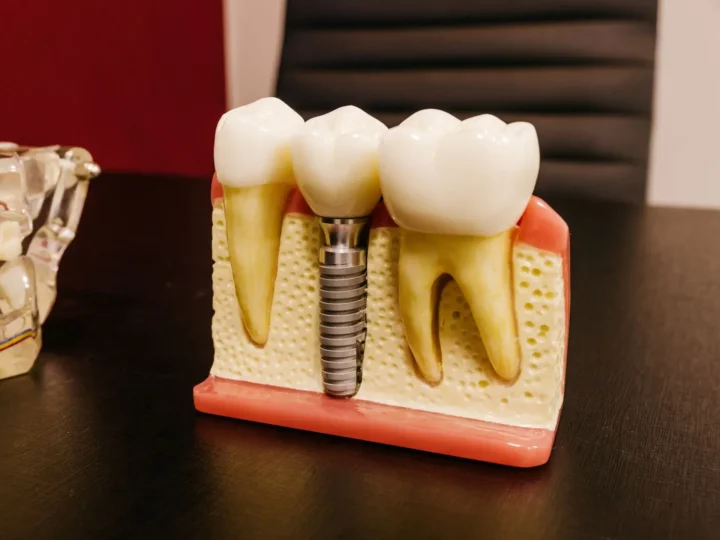 Surgery and implantsDental implantsAn artificial root placed in the jawbone to replace a missing tooth, without grinding down the neighboring teeth.
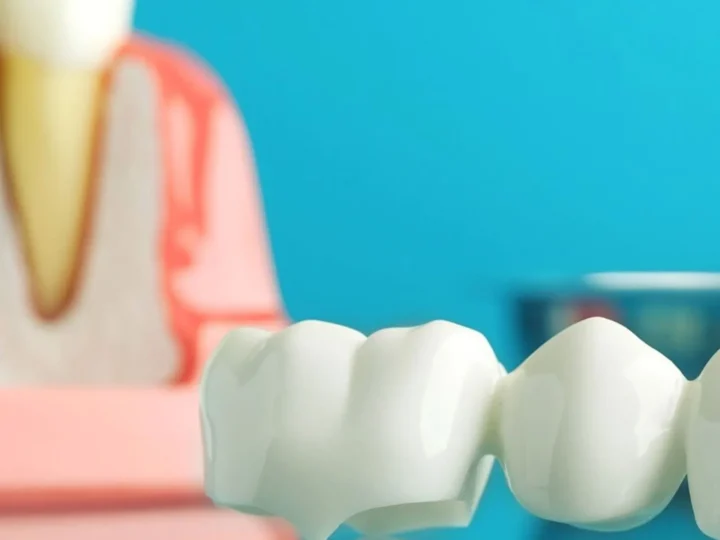 CosmeticZirconia crownsMetal-free crowns that let light through much like a natural tooth; suitable for front and back teeth.
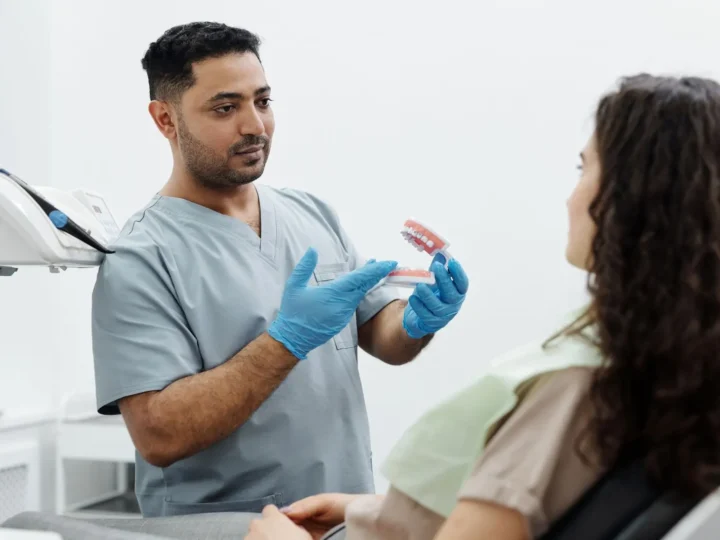 General treatmentsGum treatmentBleeding when brushing, swelling or receding gums. Treated by our periodontist, Dr. Nazlı Özdemir.
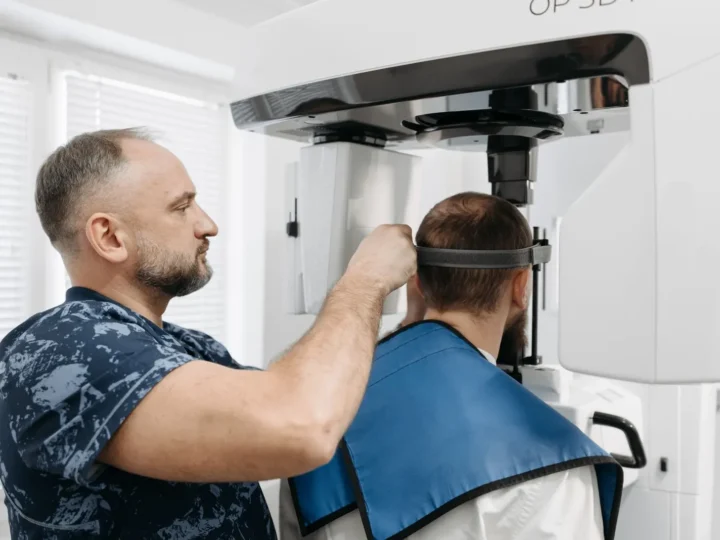 Surgery and implantsOral surgerySurgical treatments in the mouth such as extractions, impacted teeth, cysts and bone procedures.