Root canal treatment (endodontics)
A tooth whose nerve has been damaged by decay or trauma is saved instead of extracted. The inflamed tissue is removed, the canals are shaped and filled, and the tooth keeps working in your mouth.
Last updated: 9 November 2026
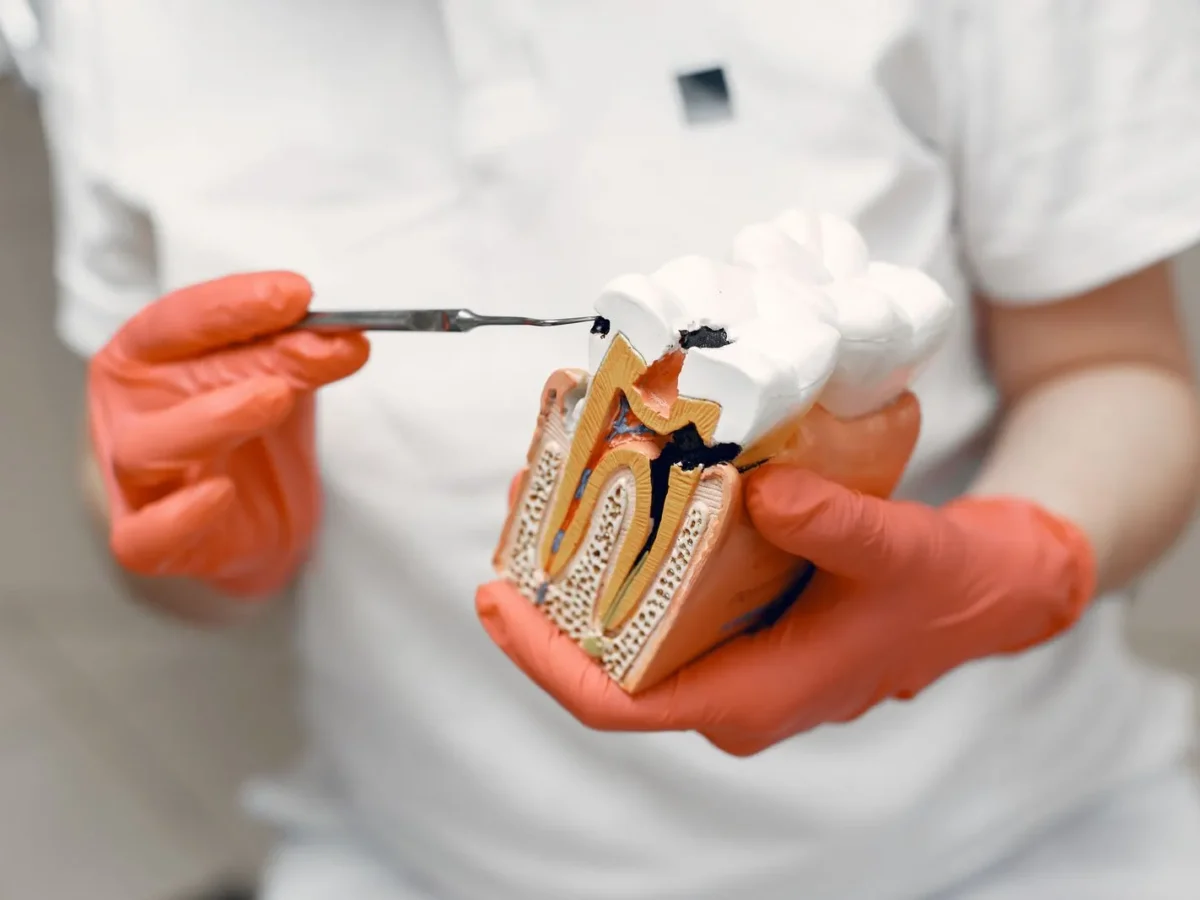
What is root canal treatment?
Inside the tooth is living tissue called the pulp, which contains nerves and blood vessels. Deep decay, a crack, a knock or repeated procedures can inflame this tissue or cause it to die. Root canal treatment means removing the inflamed or dead pulp, shaping and disinfecting the root canals, and sealing them. The aim is to keep the tooth instead of extracting it.
Saving your natural tooth is, in most cases, less invasive than extracting it and replacing it with an implant or a bridge.
Which symptoms may mean you need a root canal?
- Pain that lingers after something hot or cold,
- Throbbing pain that starts on its own, especially at night,
- Pain when biting or touching the tooth,
- Darkening of the tooth,
- Swelling or a pimple-like spot with pus on the gum.
Sometimes it is found on a routine X-ray without any symptoms. The final decision is made after an examination and X-ray.
Send us your question and our dentist will answer based on your situation. A definite plan cannot be made without an examination; the first step is a short consultation.
How is it done?
- Examination and X-ray. The condition of the tooth and root is assessed. X-rays are taken at our practice.
- Numbing and isolation. Local anesthesia is given and the tooth is protected from saliva.
- Cleaning the canals. The inflamed tissue is removed and the canals are shaped and disinfected. Canal length is measured with an electronic device, which supports success and reduces the need for extra X-rays.
- Filling the canals. The canals are sealed with a filling material. For severely inflamed teeth, medicine may be placed in between and a second session planned.
- Final restoration. The tooth is closed with a filling. If much of the tooth is lost, a crown is recommended to prevent fracture.
After treatment
- Do not eat until the numbness wears off.
- There may be tenderness when biting for a few days; you can take the painkiller your dentist recommends.
- Avoid chewing hard food on that side until the permanent filling or crown is done.
- Contact us straight away if pain or swelling increases.
If you are afraid of root canal treatment
Root canal treatment is done under local anesthesia and most patients are far more comfortable than they expected. If you still have strong anxiety, or several teeth need treatment, sedation or general anesthesia with an anesthesiologist is available at our practice.
Frequently asked questions
Does root canal treatment hurt?
It is done under local anesthesia. There may be mild tenderness for a few days afterwards.
How many sessions does a root canal take?
Most teeth can be done in one session. Severe inflammation or complex canals may need a second session.
How long does a root-canal-treated tooth last?
With a well-done root canal and a suitable final restoration, the tooth can be used for many years. It depends on the remaining tooth structure, oral hygiene and check-ups.
Can I have the tooth extracted instead?
If the gap is not filled with an implant or bridge, the neighboring teeth can shift. Where possible we recommend keeping the natural tooth; the options are explained at the examination.
Does the tooth need a crown after a root canal?
For back teeth with significant loss of structure, a crown is often recommended to prevent fracture. The decision depends on the tooth.
How long does pain last after a root canal?
There may be tenderness when chewing for a few days, which usually settles on its own. If pain increases or there is swelling, let us know straight away.
What should I do about a toothache that starts at night?
You can raise your head, apply something cold to the outside of your cheek and take a painkiller that suits you at the dose on the box. If there is rapidly growing facial swelling or difficulty swallowing, go to an emergency department without waiting. See our article on toothache at night.

Istanbul University (Çapa), 2001. Worked for eight years as deputy chief dentist and oral diagnosis dentist at the Pendik branch of a dental hospital.
Dentist’s pageThe information on this page is for general guidance only. The treatment that suits you is decided by your dentist after an examination and any necessary tests; the duration and outcome of treatment vary from person to person.
Treatments often planned together.
 General treatmentsDental fillingsAfter the decay is removed, the tooth is restored to its natural shape with tooth-colored composite fillings.
 CosmeticZirconia crownsMetal-free crowns that let light through much like a natural tooth; suitable for front and back teeth.
 General anesthesia and sedationSedation dentistryYou drift into a sleep-like state with your reflexes preserved; you do not feel or remember what happens during treatment.
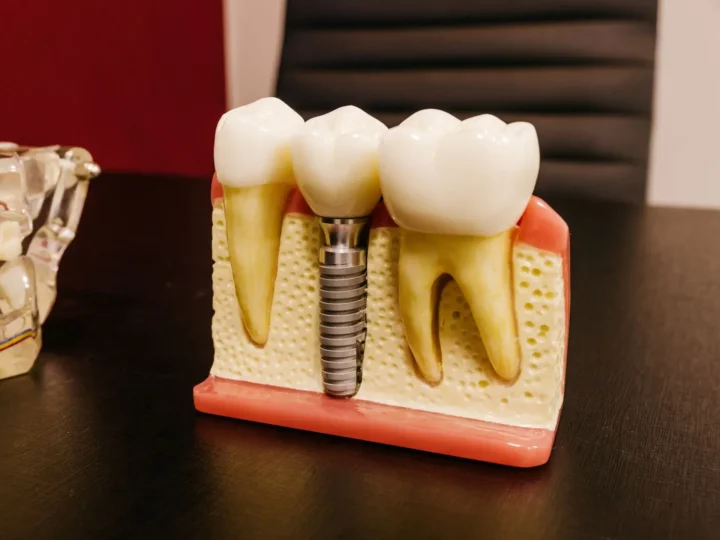 Surgery and implantsDental implantsAn artificial root placed in the jawbone to replace a missing tooth, without grinding down the neighboring teeth.