Oral surgery
Surgical treatments in the mouth such as extractions, impacted teeth, root-end surgery, cysts and bone procedures. Sedation or general anesthesia with an anesthesiologist is available for anxious patients.
Last updated: 9 November 2026
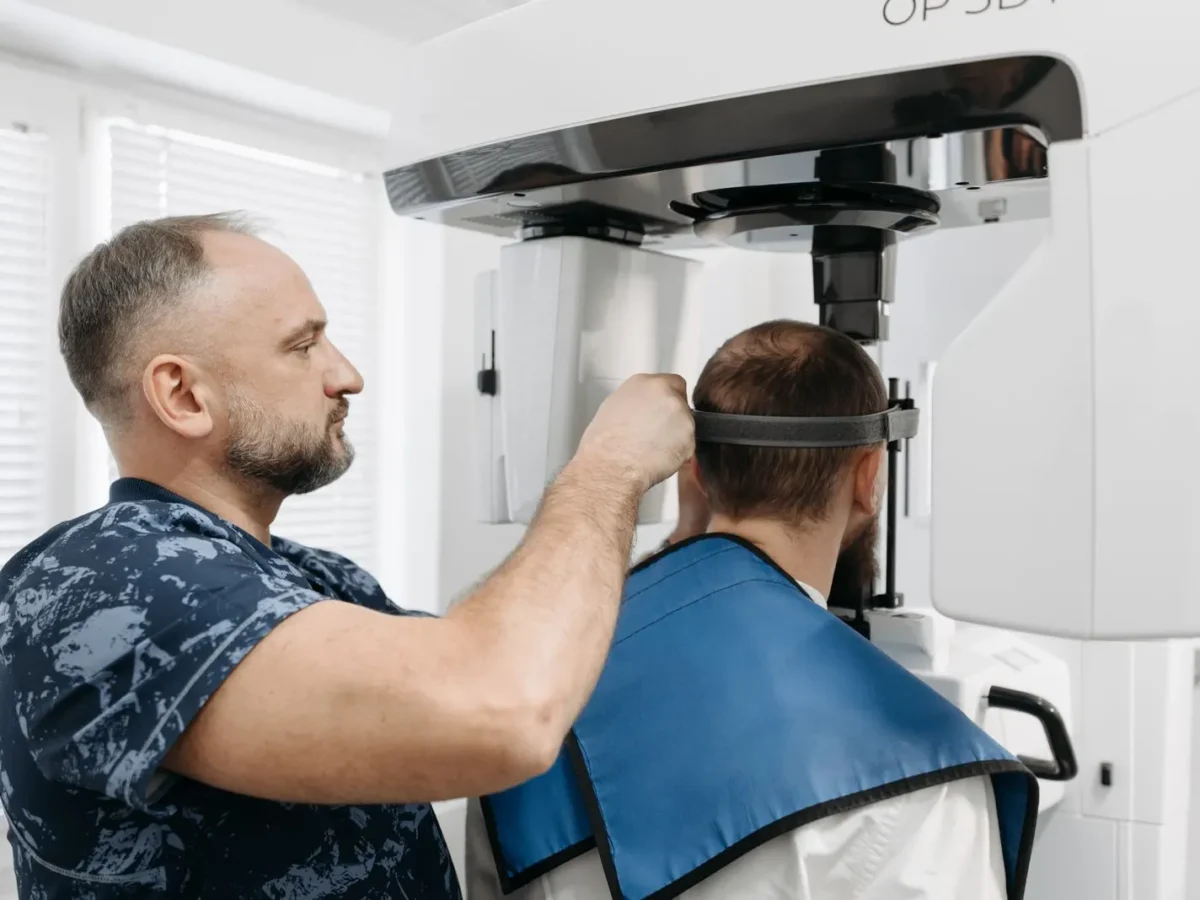
What is oral surgery?
Oral and maxillofacial surgery covers surgical diagnosis and treatment of the soft and hard tissues in the mouth. Many procedures fall into this area, from a simple extraction to removing impacted teeth, from cleaning out cysts to preparing bone before implants.
At our practice, surgical procedures are done under local anesthesia. For anxious patients and long procedures, sedation or general anesthesia with an anesthesiologist is available. These treatments are carried out by Eslem Şahan Divanoğlu, DDS, who has developed her experience through surgical courses.
Which procedures are done?
Tooth extraction
Teeth too damaged to save, fractured teeth, or teeth that need removing for orthodontic reasons.
Impacted tooth removal
Surgical removal of wisdom teeth that could not erupt and other impacted teeth.
Root-end surgery (apicoectomy)
Surgically cleaning inflammation at the root tip that has not healed despite root canal treatment.
Cyst treatment
Removing cysts in the jawbone and sending them for pathology if needed.
Bone procedures before implants
Bone grafting and sinus procedures where there is not enough bone.
Minor soft tissue procedures
Tongue or lip tie release (frenectomy) and small soft tissue lesions.
Send us your question and our dentist will answer based on your situation. A definite plan cannot be made without an examination; the first step is a short consultation.
Before surgery
- Tell us about all your medicines at the examination, especially blood thinners and bone medications. Do not stop any medicine without asking your doctor.
- If you have chronic conditions, bring your latest test results.
- Have a light breakfast on the day (if sedation or general anesthesia is planned, follow the fasting instructions).
After surgery
- Bite on the gauze for 30–45 minutes.
- On the first day, do not rinse, spit or drink through a straw; keeping the blood clot in place is important for healing.
- Apply cold to your cheek on and off in the first hours.
- Avoid hot and hard foods, smoking and alcohol for a few days.
- Take your medicines as your dentist advises; contact us if there is bleeding, fever or increasing swelling.
Frequently asked questions
When can I eat after an extraction?
Once the numbness has worn off and the gauze is removed, you can start with lukewarm, soft food.
When are stitches removed?
If dissolving stitches were not used, they are usually removed after about a week. Your dentist will give you a follow-up date.
I take blood thinners. Can I have a tooth extracted?
In most cases yes, but never stop your medicine on your own. If needed, your dentist plans together with the doctor who prescribed it.
Can I have surgery while asleep?
Yes. For suitable patients it can be done under sedation or general anesthesia with an anesthesiologist.

Istanbul University Faculty of Dentistry. Spent nine years at the dental clinic of Pendik Regional Hospital; more than 15 years of experience with general anesthesia and sedation.
Dentist’s pageThe information on this page is for general guidance only. The treatment that suits you is decided by your dentist after an examination and any necessary tests; the duration and outcome of treatment vary from person to person.
Treatments often planned together.
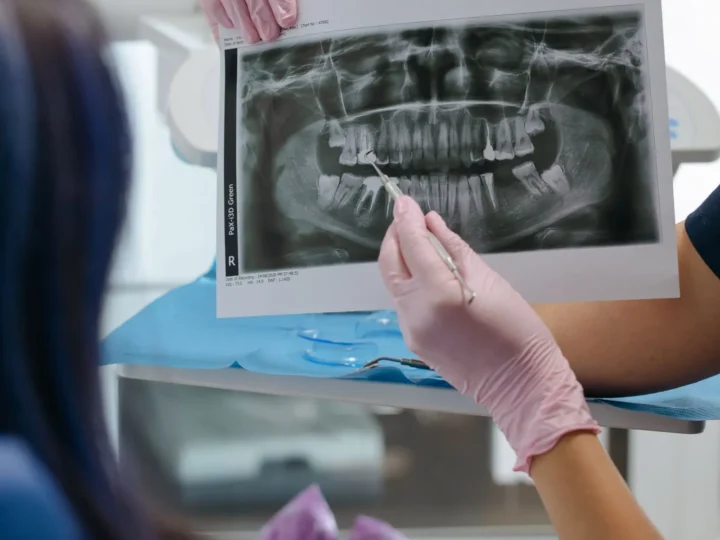 Surgery and implantsWisdom tooth removalImpacted wisdom teeth that cause pain, swelling or crowding are planned with an X-ray and removed.
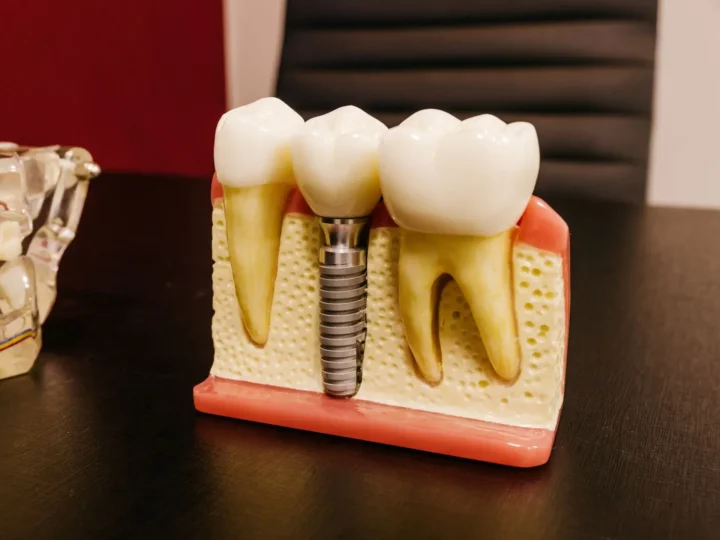 Surgery and implantsDental implantsAn artificial root placed in the jawbone to replace a missing tooth, without grinding down the neighboring teeth.
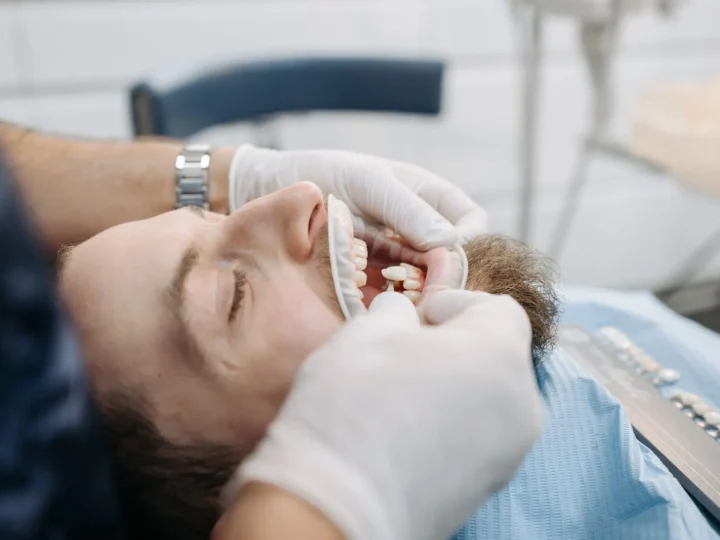 General anesthesia and sedationSedation dentistryYou drift into a sleep-like state with your reflexes preserved; you do not feel or remember what happens during treatment.
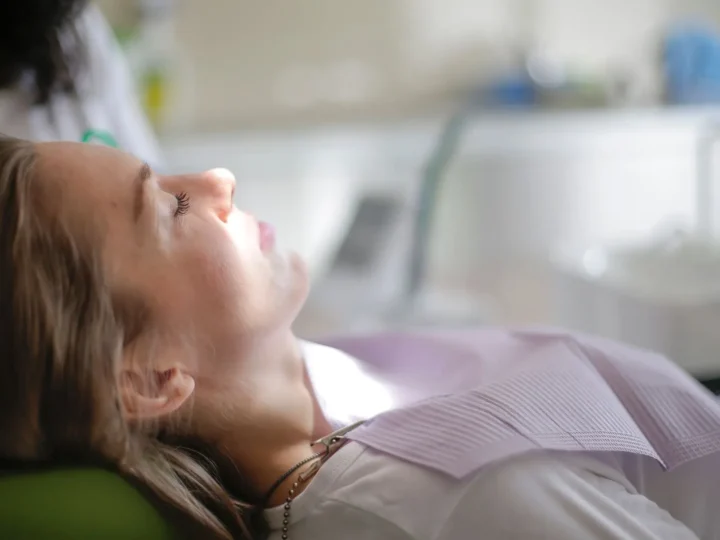 General anesthesia and sedationDental treatment under general anesthesiaChildren who cannot cooperate in the chair and adults with dental fear are treated while asleep, with an anesthesiologist present.