Pediatric dentistry
Treatment of baby teeth, preventive care and space maintainers. At our practice the first visit is only for getting to know each other and playing; we do not start treatment until your child feels safe.
Last updated: 9 November 2026
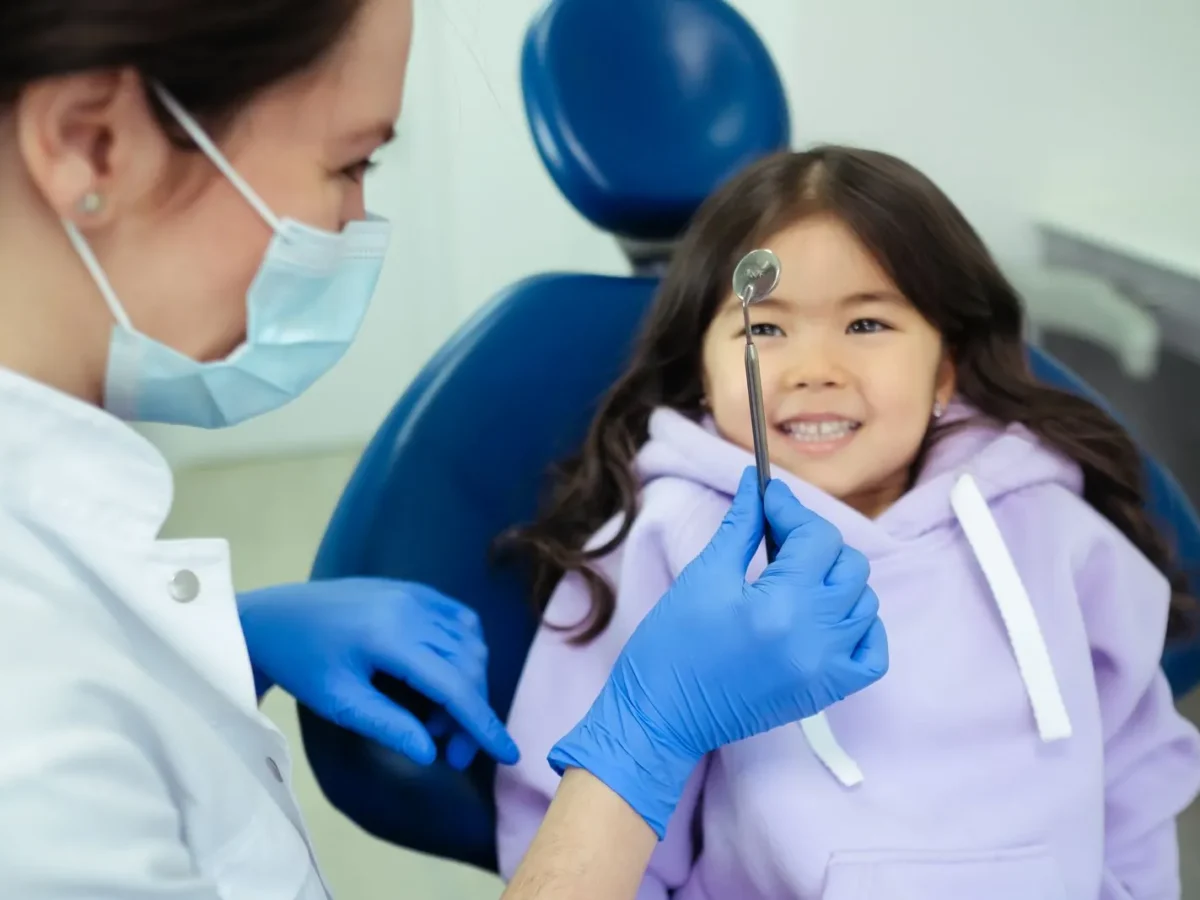
Our treatment room is a playground, our instruments are toys
The children who visit us are our playmates. With a young patient we are meeting for the first time, the first session is only for getting to know each other and playing: we fly to Mars on our rocket, have a water-pistol fight and count teeth together. These little games help us build a relationship based on trust.
For us, it matters that dental treatment is completed without leaving fear for the future. Your child’s age, the number of teeth to treat and their level of anxiety decide how we proceed. Our child patients are seen by our founding dentist Eslem Şahan Divanoğlu, DDS.
Why do baby teeth matter?
Baby teeth, often dismissed because “they will fall out anyway”, need to stay healthy until the permanent teeth come in. Baby teeth:
- Allow your child to chew and eat properly,
- Help speech and pronunciation develop,
- Hold space for the permanent teeth; if lost early, permanent teeth may come in crooked,
- Can affect the permanent tooth bud underneath if they have decay or an abscess.
Send us your question and our dentist will answer based on your situation. A definite plan cannot be made without an examination; the first step is a short consultation.
Treatments for children
Preventive care
Fluoride treatment and fissure sealants on the chewing surfaces of molars to reduce the risk of decay.
Baby tooth fillings
Removing decay and restoring the tooth with tooth-colored or child-friendly filling materials.
Baby tooth nerve treatment
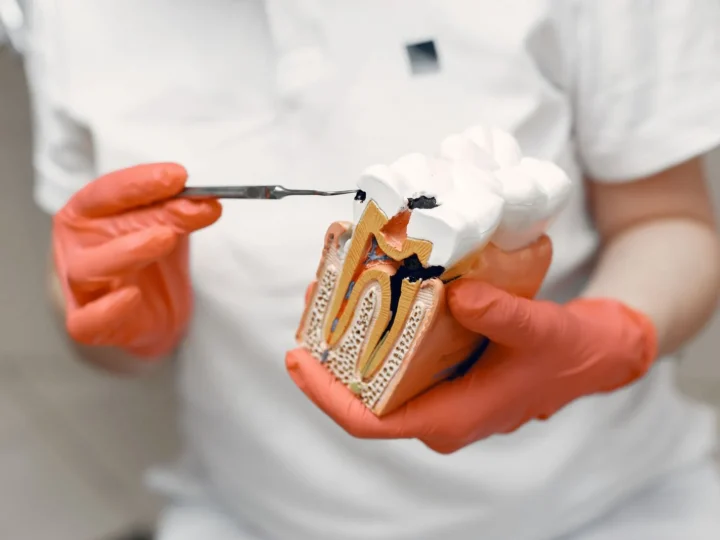
Saving a baby tooth whose decay has reached the nerve instead of extracting it (pulpotomy or root canal treatment).
Space maintainers
Keeping the space of a baby tooth lost early until the permanent tooth comes in.
Dental injuries
Urgent care for teeth broken or loosened after a fall or knock.
Treatment under general anesthesia
All teeth of children who cannot be treated in the chair are treated in a single session with an anesthesiologist present. Details
When should the first visit be?
We recommend bringing your child for a first check-up when the first tooth comes in, or by around their first birthday at the latest. This first visit is a good chance for your child to get to know the setting and for you to get advice on diet and brushing. After that, a check-up every six months is usually enough.
Tips for parents
- Before the visit, avoid promises like “it won’t hurt” or “there won’t be a needle”; your child would hear these words from you first.
- Do not use the dentist as a punishment or a threat.
- Avoid giving milk or juice in a bottle at night; the bottle is one of the most common causes of early childhood decay.
- Brush your child’s teeth yourself until they can do it on their own, and check afterwards.
Frequently asked questions
My child is very afraid of the dentist. What can we do?
We set aside the first session only for getting to know each other and playing. We do not start treatment before trust is built. If treatment in the chair is not possible, sedation or general anesthesia with an anesthesiologist is considered.
At what age should children see a dentist?
A first check-up is recommended when the first tooth comes in, or by around age one at the latest.
Should decay in baby teeth be treated?
Yes. Untreated decay in baby teeth can lead to pain, abscesses and problems with the permanent teeth.
What is a fissure sealant?
A thin coating applied to the deep grooves on the chewing surface of molars; it helps reduce the risk of decay in these areas.
Can I be in the room with my child?
Yes, especially at the first visits we would like you to be there. Some children are more relaxed on their own in later sessions; we decide this together.
What happens if tooth decay in children is not treated?
Untreated decay can progress to pain, an abscess and early loss of the baby tooth. A baby tooth lost early can narrow the space for the permanent tooth underneath. That is why early treatment of small cavities matters.
How are fillings done for children?
The decay is removed and the tooth is restored with a filling material suited to the child’s age and the condition of the tooth. Beforehand, the instruments are introduced through play; local anesthesia is used when needed.

Istanbul University Faculty of Dentistry. Spent nine years at the dental clinic of Pendik Regional Hospital; more than 15 years of experience with general anesthesia and sedation.
Dentist’s pageThe information on this page is for general guidance only. The treatment that suits you is decided by your dentist after an examination and any necessary tests; the duration and outcome of treatment vary from person to person.
Treatments often planned together.
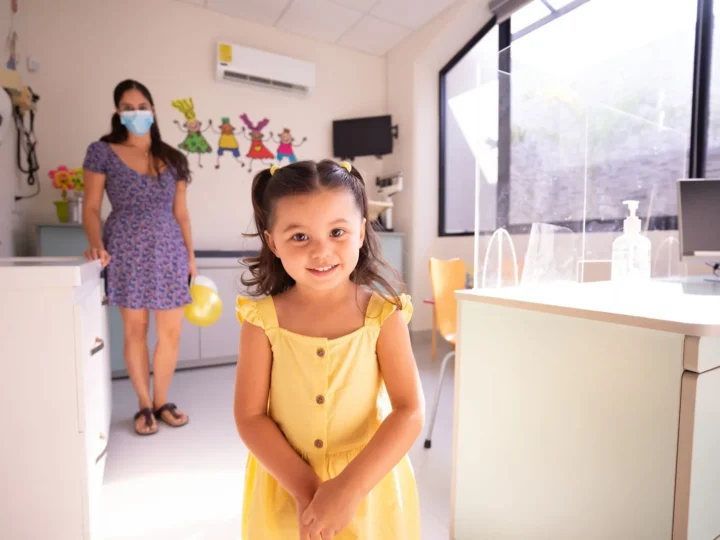 General anesthesia and sedationGeneral anesthesia for childrenChildren who cannot be treated in the chair can have all their teeth treated in one session, monitored by an anesthesiologist.
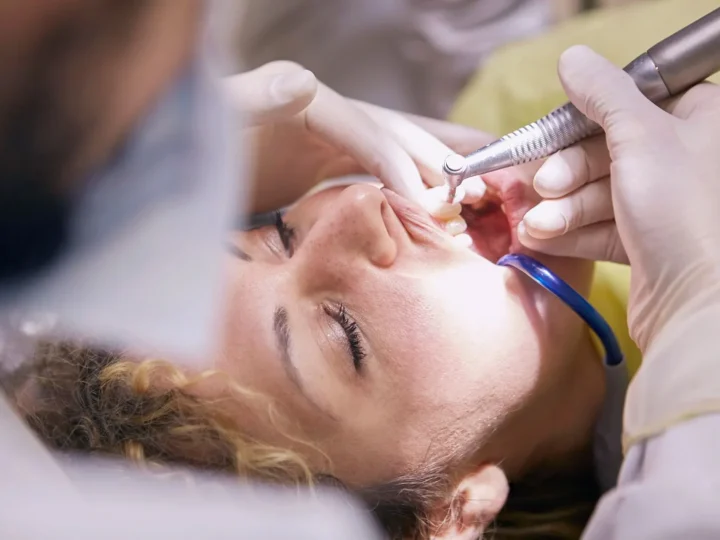 General treatmentsDental fillingsAfter the decay is removed, the tooth is restored to its natural shape with tooth-colored composite fillings.
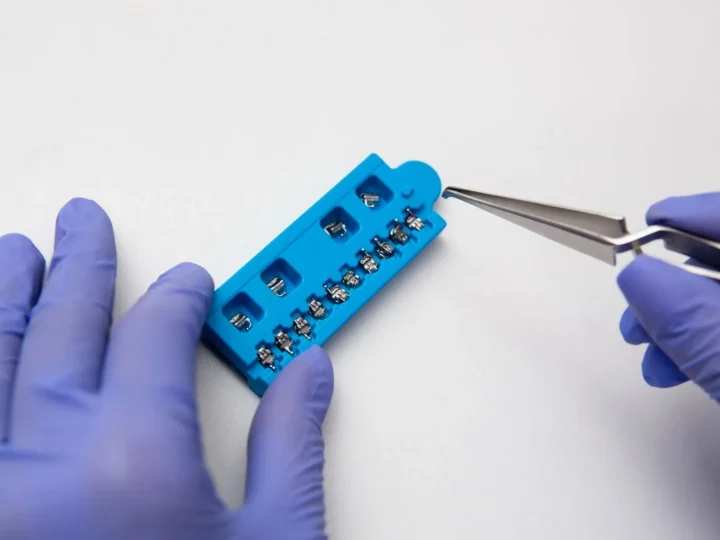 General treatmentsOrthodonticsCorrecting crowded teeth and the bite, for children and adults.
 General treatmentsRoot canal treatmentA tooth whose nerve is damaged by decay or trauma is saved instead of being extracted.