Orthodontics (braces)
Straightening crooked teeth and correcting the bite, for children and adults. Well-aligned teeth are easier to clean and support chewing and speech.
Last updated: 9 November 2026
What is orthodontics?
Orthodontics is the diagnosis and treatment of irregularities in how the teeth are lined up and mismatches between the upper and lower jaws. Crooked teeth affect more than looks: they create areas that are hard to clean, raising the risk of decay and gum disease, and some bite problems can strain chewing and the jaw joint.
What can be treated?
- Crooked or overlapping teeth,
- Gaps between teeth,
- Upper teeth sticking out too far, or lower teeth closing in front of the upper ones,
- Front teeth that do not meet (open bite) or overlap too much (deep bite),
- Crossbite and midline shifts.
Send us your question and our dentist will answer based on your situation. A definite plan cannot be made without an examination; the first step is a short consultation.
Treatment options
Metal and ceramic braces
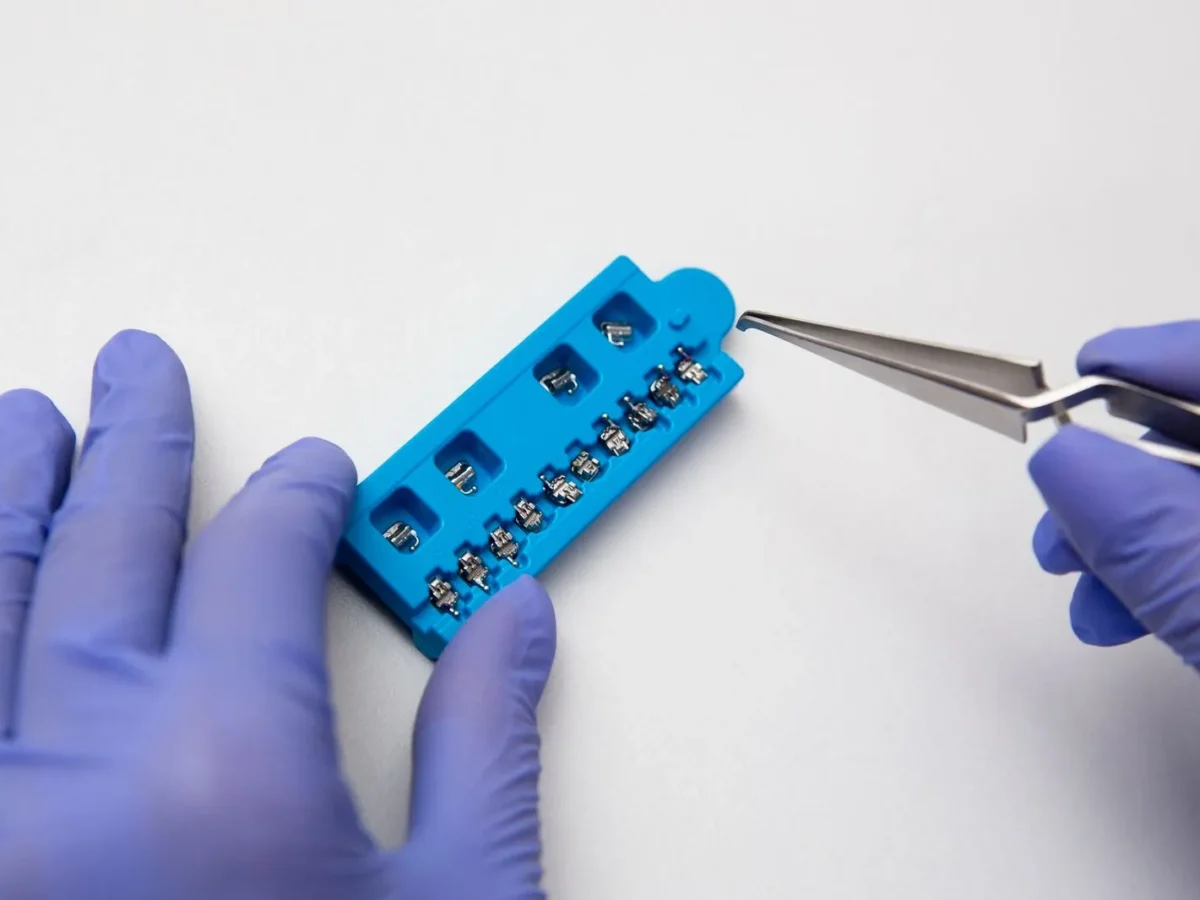
Brackets bonded to the teeth and wires move the teeth with controlled forces. Ceramic brackets are tooth-colored, so they are less noticeable.
Clear aligners
In suitable cases, treatment with a series of clear aligners changed in turn. They can be taken out for eating and brushing.
Early orthodontics for children
Appliances used while the jaw is still growing to guide skeletal problems.
Retention
A fixed wire or clear retainers after treatment, so the teeth do not move back to their old position.
When should a child have a first check?
An orthodontic evaluation around age 7 is recommended. Not every child starts treatment at this age, but some jaw growth problems can be guided with simpler methods when they are caught early. Space maintainers used after early loss of baby teeth are also an important preventive step (pediatric dentistry).
The treatment process
- Exam and records. An oral exam, X-rays, photos and impressions are taken.
- Treatment plan. The options, the approximate duration and what to watch out for are explained to you.
- Active treatment. Braces or aligners are fitted and checked at regular intervals.
- Retention. Once the teeth reach the desired position, the retention phase begins to keep them there.
At our practice, orthodontic treatment is planned as a team; the dentist who will carry out your treatment is introduced at the first visit.
Frequently asked questions
Can adults have orthodontic treatment?
Yes. Orthodontic treatment is possible for adults whose teeth and gums are healthy enough. Any gum disease must be treated first.
How long does orthodontic treatment take?
It varies from person to person, depending on the type and severity of the problem. You are given an approximate duration after the exam.
Are clear aligners right for everyone?
No. In some complex cases, braces may be more suitable. Whether aligners fit your case is assessed at the exam.
What should I watch out for during treatment?
Plaque tends to build up around braces, so use a special orthodontic brush and an interdental brush, and avoid hard and sticky foods.
At what age does orthodontic treatment start for children?
A first orthodontic evaluation is recommended around age 7. For some jaw growth problems, treatment started early can be more effective.
The information on this page is for general guidance only. The treatment that suits you is decided by your dentist after an examination and any necessary tests; the duration and outcome of treatment vary from person to person.
Treatments often planned together.
 ChildrenPediatric dentistryTreatment of baby teeth, space maintainers and preventive care. The first visit is only for getting to know each other and playing.
 CosmeticSmile designGums, tooth color, length and alignment are planned together for a natural smile that suits your face.
 General treatmentsBruxism (teeth grinding)A night guard reduces the damage that clenching and grinding at night cause to the teeth and jaw joint.
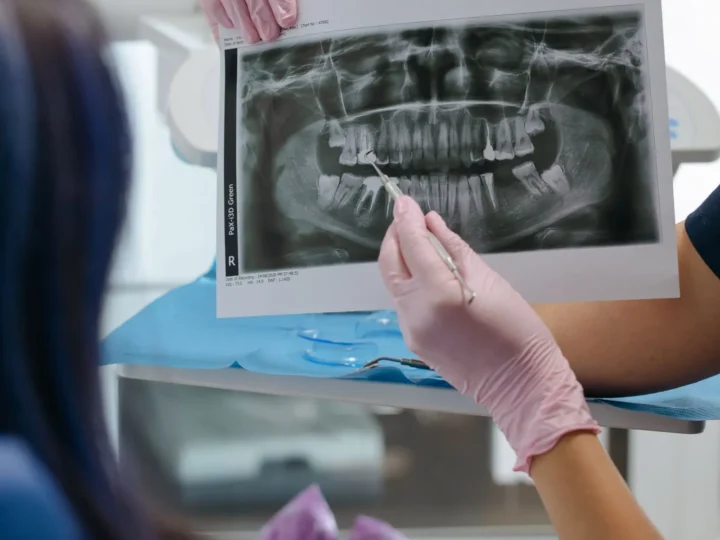 Surgery and implantsWisdom tooth removalImpacted wisdom teeth that cause pain, swelling or crowding are planned with an X-ray and removed.