Gum treatment (periodontology)
Bleeding when brushing, swelling, bad breath or receding gums. Gum disease is treated by our periodontist, Dr. Nazlı Özdemir, who also helps you build care habits that suit you.
Last updated: 9 November 2026

What is gum disease?
Gum disease is the inflammatory response of the gums and the bone around the teeth to bacterial plaque and tartar that build up on the tooth surface. The first stage is called gingivitis: the gums turn red, swell and bleed when you brush. If it is not treated at this stage, the inflammation spreads to the bone that supports the tooth and periodontitis develops: the gums recede, teeth start to loosen and may eventually be lost.
Because gum disease usually progresses slowly and painlessly, it can go unnoticed. That is why it is important to take small signs such as bleeding seriously.
Which signs should bring you in?
- Bleeding when brushing or flossing,
- Red, swollen or tender gums,
- Persistent bad breath,
- Teeth that look longer (receding gums),
- Loose teeth or new gaps between them,
- Pus from the gums.
Send us your question and our dentist will answer based on your situation. A definite plan cannot be made without an examination; the first step is a short consultation.
How is gum disease treated?
- Examination and measurement. The pocket depth around each tooth is measured and bone levels are assessed with X-rays.
- Scaling and root planing. Tartar above and below the gum line is removed under local anesthesia and the root surfaces are smoothed. See our scaling and cleaning page for details.
- Home care training. You are shown the right brush, interdental brushes and brushing technique for you.
- Re-evaluation. Healing of the gums is checked a few weeks later.
- Surgical treatment if needed. For deep pockets, gum recession or bone loss, surgical options are considered.
- Maintenance. To keep the disease from returning, check-ups and cleanings are usually planned every three to six months.
Our specialist: Dr. Nazlı Özdemir
At our practice, gum disease is treated by our periodontist Dr. Nazlı Özdemir. She graduated from Yeditepe University Faculty of Dentistry in 2006 and completed her specialty in periodontology in 2010. To make results last, she focuses on helping her patients build brushing and care habits suited to their own mouths.
Gum disease and general health
Gum disease does not concern only the mouth. There is a known two-way relationship between diabetes and gum disease; in patients with poorly controlled blood sugar, gum disease can progress faster. Smoking both increases the risk and can hide the symptoms. Gum bleeding linked to hormonal changes is common during pregnancy.
Frequently asked questions
My gums bleed when I brush. Is that normal?
No. Bleeding is the most common first sign of gum inflammation. With early treatment, the gums often return to health.
Can receding gums grow back?
It depends on the cause and the amount of recession. In some cases the root surface can be covered again with surgical methods such as a gum graft. Our specialist assesses this at the examination.
Can loose teeth be saved?
It depends on the amount of bone loss. With early treatment many teeth can be kept for years, so we recommend not waiting to be examined.
Does gum treatment hurt?
Deep cleaning and surgical procedures are done under local anesthesia. There may be some tenderness for a few days afterwards.
How often should I come for check-ups?
After gum disease treatment, check-ups every three to six months are usually recommended. Our specialist sets the interval for you.
Why do gums bleed?
The most common cause is gum inflammation from plaque and tartar on the teeth. Some medicines, pregnancy and general illnesses can also increase bleeding. If bleeding continues, we recommend an examination.
How are receding gums treated?
First the cause is identified: gum disease, hard brushing or clenching, for example. After treating the cause, exposed root surfaces can be covered with gum grafts in suitable cases.

Yeditepe University, 2006. Completed her specialty in periodontology in 2010. After treatment, she focuses on helping you build brushing and care habits that suit you.
Dentist’s pageThe information on this page is for general guidance only. The treatment that suits you is decided by your dentist after an examination and any necessary tests; the duration and outcome of treatment vary from person to person.
Treatments often planned together.
 General treatmentsScaling and cleaningTartar that brushing cannot remove is cleaned and the surfaces are polished, helping prevent gum disease.
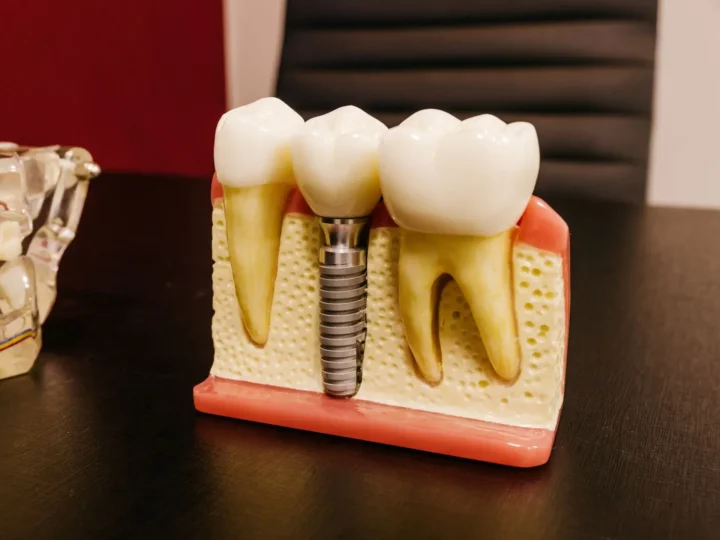 Surgery and implantsDental implantsAn artificial root placed in the jawbone to replace a missing tooth, without grinding down the neighboring teeth.
 CosmeticSmile designGums, tooth color, length and alignment are planned together for a natural smile that suits your face.
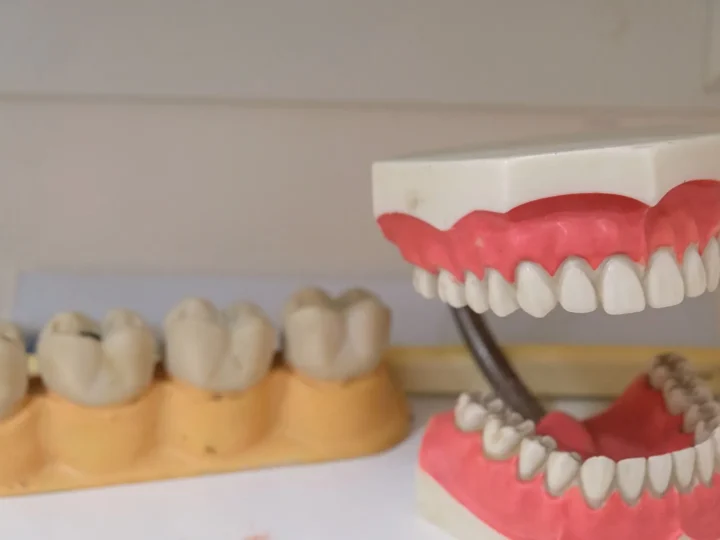 General treatmentsDentures and bridgesMissing teeth are replaced with bridges, partial or full dentures, supported by implants when needed.