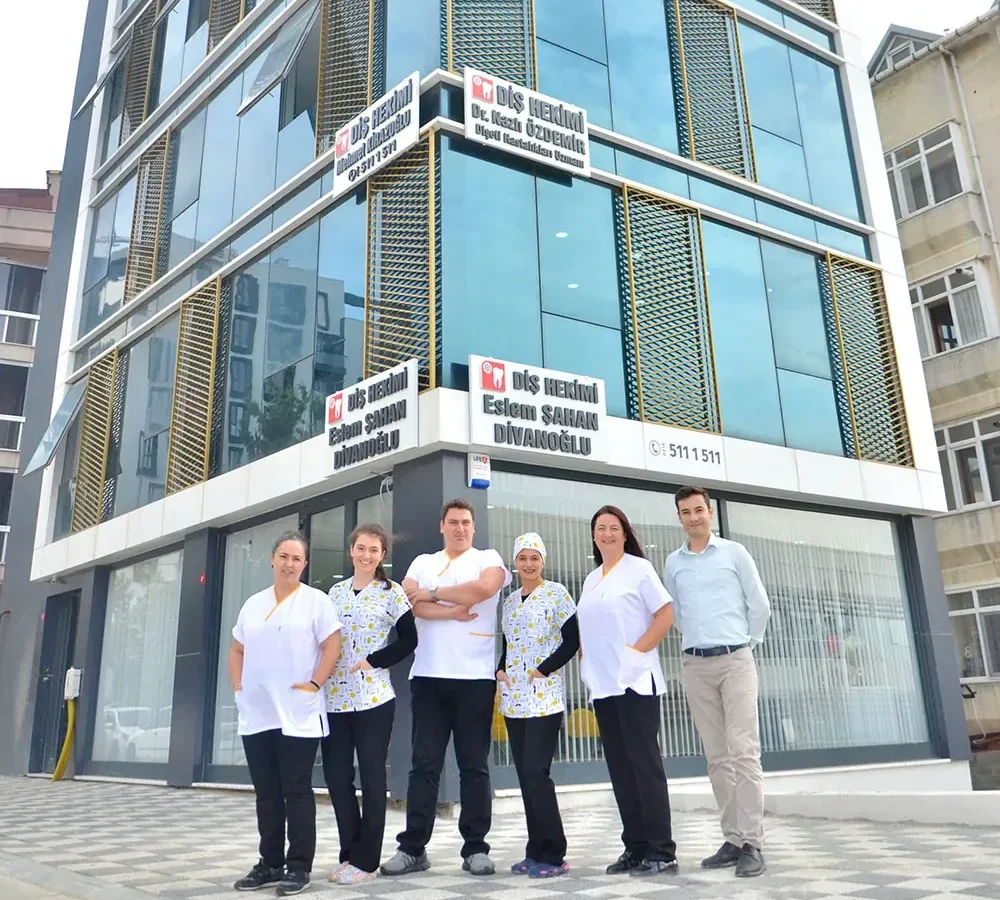
What to look for when choosing a dentist in Pendik
Choosing a dentist is about more than the number of reviews. We go through concrete criteria one by one: titles, the exam, the treatment plan, hygiene and access.
Updated: 9 November 2026 · 5 min read
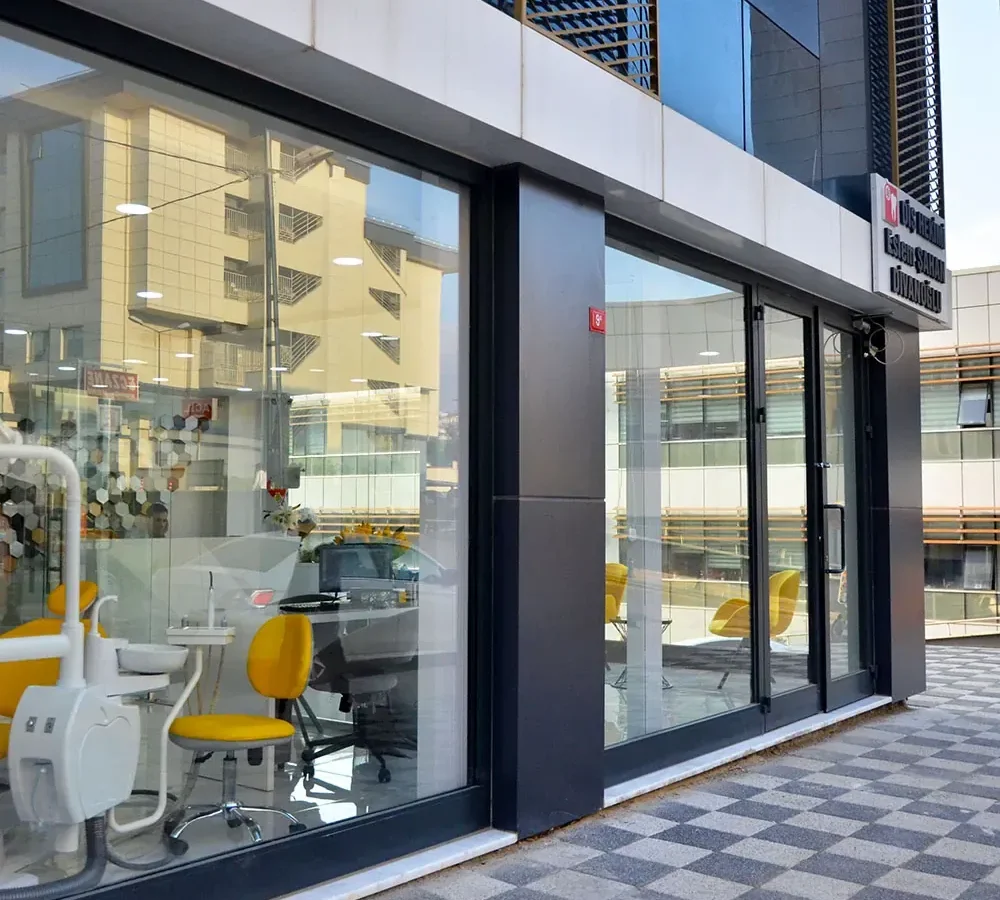
“Can anyone recommend a good dentist in Pendik?” is one of the most common questions in neighborhood groups. Recommendations are valuable, but everyone’s mouth, complaint and expectations are different. There are concrete criteria you can use to find the practice that suits you. In this article we go through what to look for before booking and at your first exam.
1. The dentist’s title and field
In Turkey, “dentist” (diş hekimi) and “specialist dentist” (uzman diş hekimi) are different titles. A specialist title is earned through specialty training lasting several years after dental school, in fields such as periodontology (gums), orthodontics, pediatric dentistry, endodontics, prosthodontics and oral and maxillofacial surgery.
Not every treatment needs a specialist; fillings, root canal treatment, scaling and many dentures are part of a dentist’s daily work. But for advanced gum disease, complex jaw surgery or orthodontics, it is natural to ask how much the dentist has worked in that field. Titles should be stated clearly on the sign, the website and the dentist pages.
2. How the first exam goes
A good start is an exam that is not rushed. At the first visit, it is reasonable to expect:
- Questions about your complaint and health history (medicines you take, chronic illnesses, allergies),
- An examination of the whole mouth, with X-rays or a panoramic film if needed,
- The findings explained in plain language, ideally shown on the X-ray,
- Time for your questions.
A definitive treatment plan cannot be given over the phone or by message without an exam. You can get preliminary information from a photo, but the right plan can only be made after an oral exam and the necessary X-rays.
3. The treatment plan and options
Most problems have more than one solution. For a missing tooth, for example, an implant, a bridge or a removable denture may be discussed. It is important that the dentist explains the options, the duration, care and possible risks of each, and makes the decision together with you.
For long or multi-stage treatments, you can ask for the plan in writing. That way you know in advance what will be done at each visit and how long the whole treatment will take.
4. Hygiene and sterilization
Instruments used in the mouth must be cleaned and sterilized after every patient. Some signs to look for at the practice:
- Instruments opened in front of you from sealed sterilization pouches,
- Single-use materials (gloves, masks, syringes, suction tips) replaced for every patient,
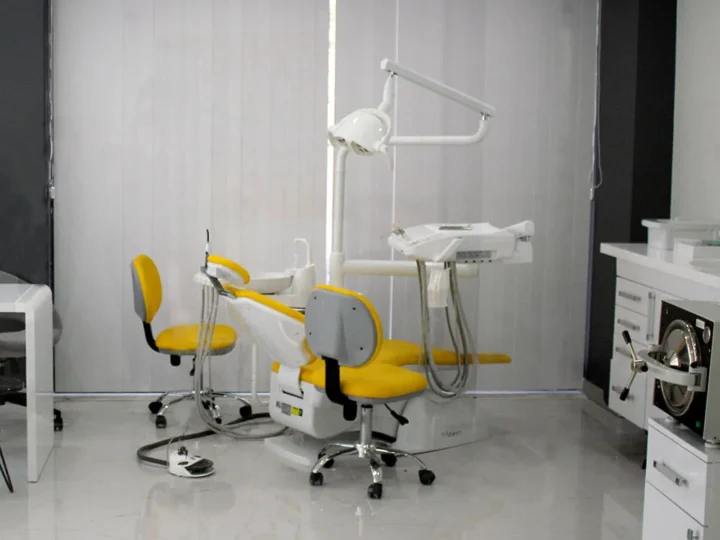
- The dental unit and its surroundings wiped down between patients.
Do not hesitate to ask about this; a careful practice will be happy to explain its sterilization process.
5. If you are afraid: sedation and general anesthesia
There are options for adults who fear dental treatment, young children and people with special needs who are hard to treat in the chair. For mild anxiety, calm communication and good local anesthesia are often enough. For stronger fear, sedation can be used, and when necessary, dental treatment under general anesthesia.
Sedation and general anesthesia should be given by an anesthesiologist with the right equipment. You can ask the practice who provides this treatment, which tests are required beforehand and how follow-up is handled afterward. If you are looking for your child, our page on general anesthesia for children may also help.
6. Access and opening hours
Dental treatment often takes several visits; with root canal treatment, implants or orthodontics, check-ups continue for months. So a practice close to your home, work or public transport makes things easier in the long run. Also check whether the opening hours suit you and whether Saturday appointments are available.
For anyone coming to Pendik by metro, Tavşantepe station is an easy meeting point. Our practice is near exit 2 of Tavşantepe metro station; you will find detailed directions on our contact and directions page.
7. Communication and support after treatment
If you have pain, swelling or a question after treatment, it matters that you can reach the practice easily. Getting your questions answered by phone or WhatsApp, and getting a check-up appointment quickly when needed, also builds trust between you and your dentist.
Questions you can ask at your first exam
- What exactly is the problem in my mouth? Can you show me on the X-ray?
- What treatment options are there, and how do they differ?
- How many visits will the treatment take, and how long between visits?
- Which dentist will do the treatment?
- What should I watch out for after treatment, and when should I come back for a check-up?
Frequently asked questions
What is the difference between a dentist and a specialist dentist?
A dentist has graduated from dental school. A specialist dentist has also completed specialty training after graduation in a field such as periodontology, orthodontics or pediatric dentistry. Only those who have completed this training can use a specialist title.
Can I get a treatment plan without an exam?
No. General information can be given from a photo or description, but the treatment plan is decided by the dentist after an oral exam and the necessary X-rays.
If I change dentists, do I need my old X-rays?
If you have them, it helps to bring them; seeing previous treatments makes the assessment easier. New X-rays can be taken if needed.
If you would like to meet us at our practice in Tavşantepe, Pendik, you can book by WhatsApp, phone or the form on our contact page. You can get to know our dentists on the our dentists page.
This article is for general information and does not replace an examination. The treatment that suits you is decided by your dentist after an examination.
More articles.
 General dental healthWhy does toothache start at night, and what should you do?Toothache often gets worse at night when you lie down. We explain the causes, what you can do…Read
 General dental healthWhat is bruxism? Signs and treatment of night-time teeth clenchingMorning jaw fatigue, headaches and worn teeth can be signs of bruxism. The causes, signs and treatment options…Read
 General dental healthWhat is endodontics? Common questions about root canal treatmentWhy root canal treatment is needed, how it is done and what to watch out for afterward. What…Read