Bruxism (teeth clenching and grinding)
The damage that night-time clenching and grinding do to the teeth and jaw joint is reduced with a custom-made night guard. Morning jaw fatigue and headaches are important signs.
Last updated: 9 November 2026
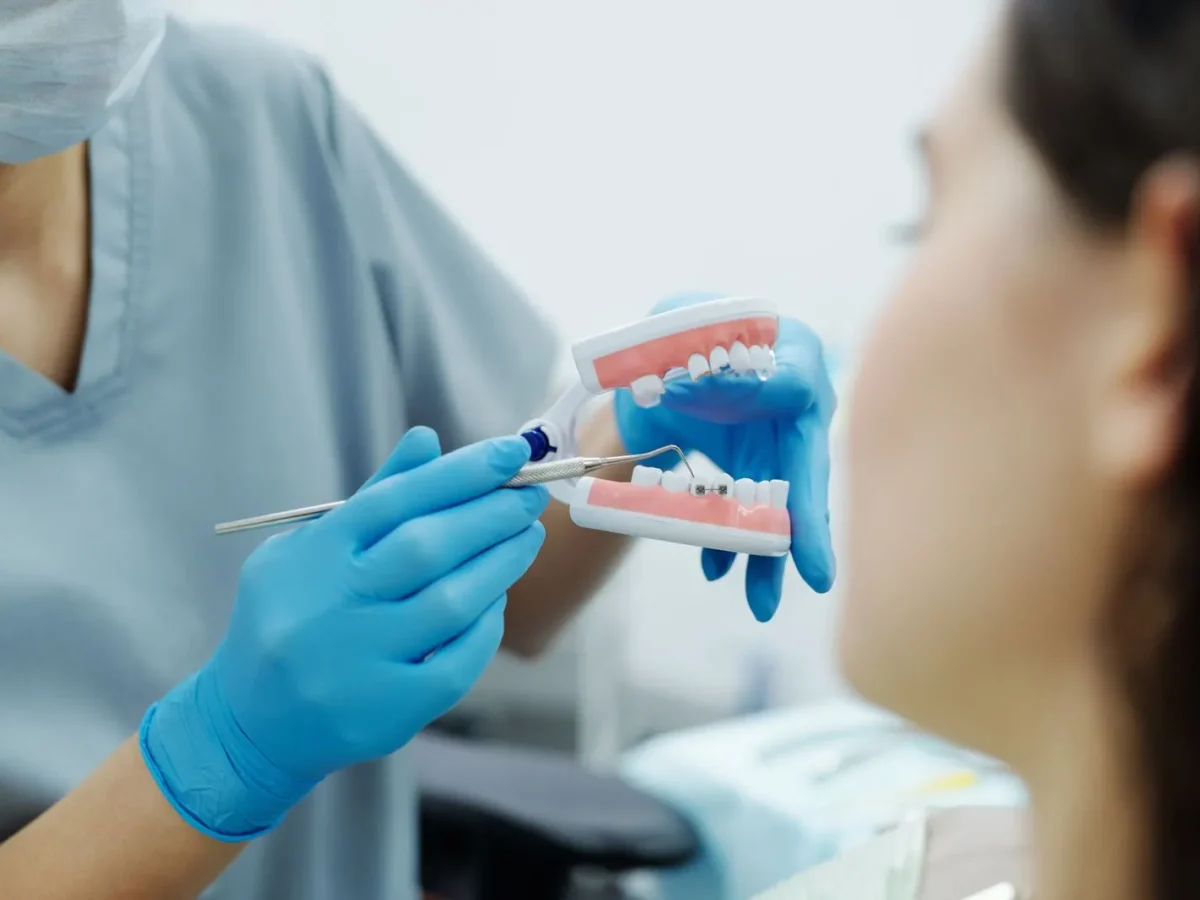
What is bruxism?
Bruxism is the involuntary clenching or grinding of the teeth. It mostly happens during sleep without the person noticing, and sometimes during the day too, especially at moments of intense focus or stress. Stress, anxiety, irregular sleep, some medicines, caffeine and alcohol are among the factors linked with bruxism.
Signs
- Fatigue and pain in the jaw, face or temples in the morning,
- Headache on waking,
- Worn, flattened or chipped teeth and sensitivity,
- Clicking in the jaw joint, difficulty opening the mouth,
- Your partner hearing you grind your teeth at night,
- Fillings, crowns or veneers that keep breaking.
Send us your question and our dentist will answer based on your situation. A definite plan cannot be made without an examination; the first step is a short consultation.
How is bruxism treated?
There is no single, definitive cure for bruxism; the aim is to protect the teeth and jaw joint and reduce the symptoms.
Night guard
A clear guard made from an impression of your mouth stops the teeth rubbing together while you sleep and spreads the force.
Habit awareness
Noticing during the day whether your teeth are touching; at rest, the lips should be closed and the teeth apart.
Supportive measures
Managing stress, a regular sleep routine, less caffeine and alcohol, and referral to other doctors if needed.
How is a night guard made?
- Exam. Wear on the teeth, the jaw joint and the muscles are assessed.
- Impression. An impression of your mouth is taken.
- Fitting and adjustment. The guard is tried in your mouth and the bite is adjusted.
- Check-ups. The guard is checked at regular intervals and replaced as it wears.
Frequently asked questions
Does a night guard stop clenching completely?
A guard does not remove the clenching habit; it protects the teeth and jaw joint and helps reduce the symptoms.
Can I use a guard bought from a pharmacy?
Ready-made guards do not fit your mouth exactly, so they can upset your bite and may not work. A guard made from your own impression is recommended.
Is teeth grinding normal in children?
Grinding is common in children, especially while they have baby teeth, and often fades on its own. A check-up is still recommended if the teeth show wear.
I have veneers. Can bruxism damage them?
Heavy clenching can raise the risk of veneers and crowns breaking. A night guard is important for patients who have had cosmetic treatment.
Why do people clench their teeth during the day?
Daytime clenching is mostly linked to stress, intense focus and habit. Becoming aware of it, jaw relaxation exercises and, if needed, a guard can help.

Istanbul University (Çapa), 2001. Worked for eight years as deputy chief dentist and oral diagnosis dentist at the Pendik branch of a dental hospital.
Dentist’s pageThe information on this page is for general guidance only. The treatment that suits you is decided by your dentist after an examination and any necessary tests; the duration and outcome of treatment vary from person to person.
Treatments often planned together.
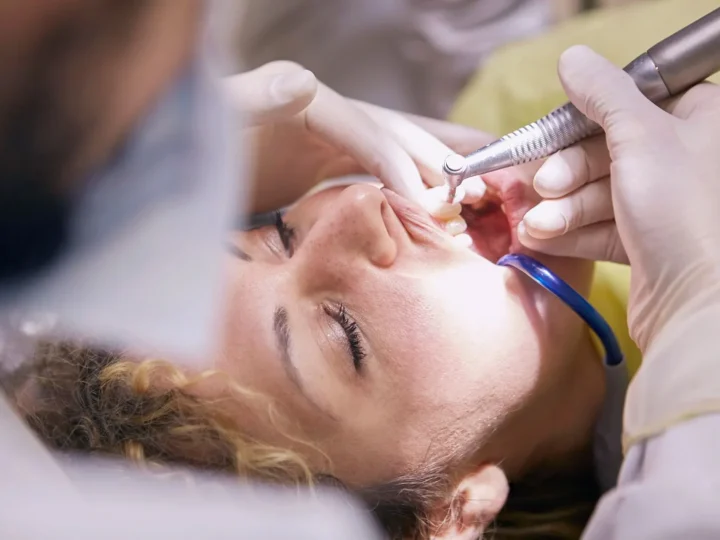 General treatmentsDental fillingsAfter the decay is removed, the tooth is restored to its natural shape with tooth-colored composite fillings.
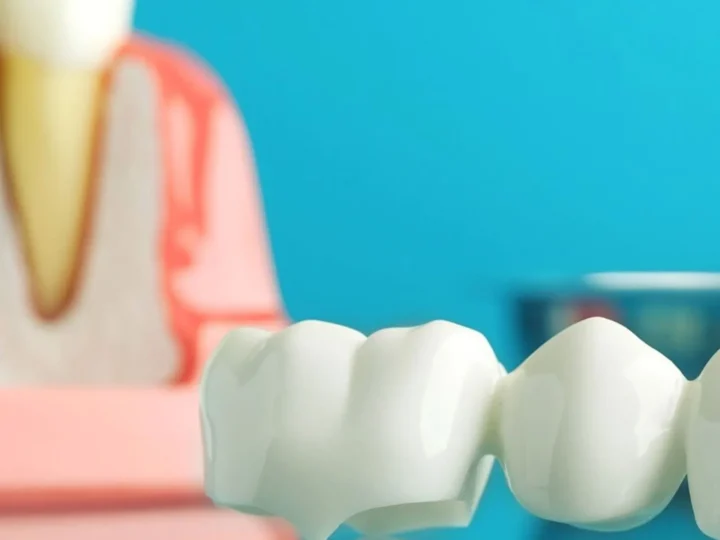 CosmeticZirconia crownsMetal-free crowns that let light through much like a natural tooth; suitable for front and back teeth.
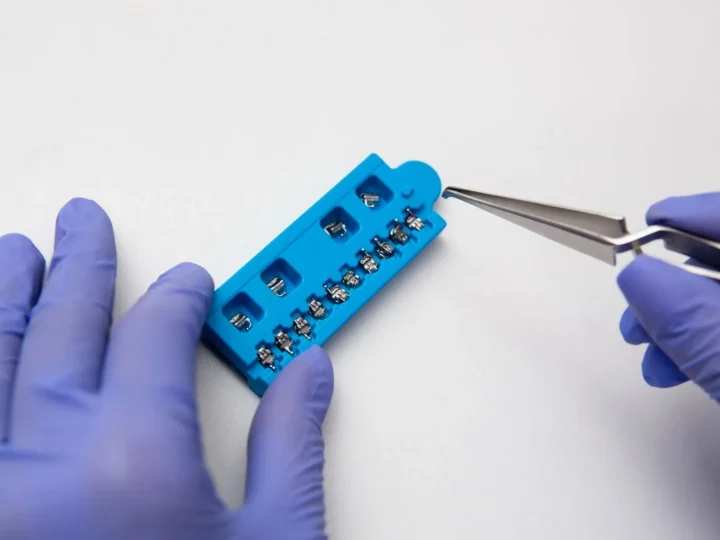 General treatmentsOrthodonticsCorrecting crowded teeth and the bite, for children and adults.
 General treatmentsDentures and bridgesMissing teeth are replaced with bridges, partial or full dentures, supported by implants when needed.