Dental treatment for children under general anesthesia
For children who cannot cooperate in the chair or need many teeth treated, treatment can be completed in a single session with an anesthesiologist present. Our aim is that your child is not left with a fear of the dentist.
Last updated: 9 November 2026
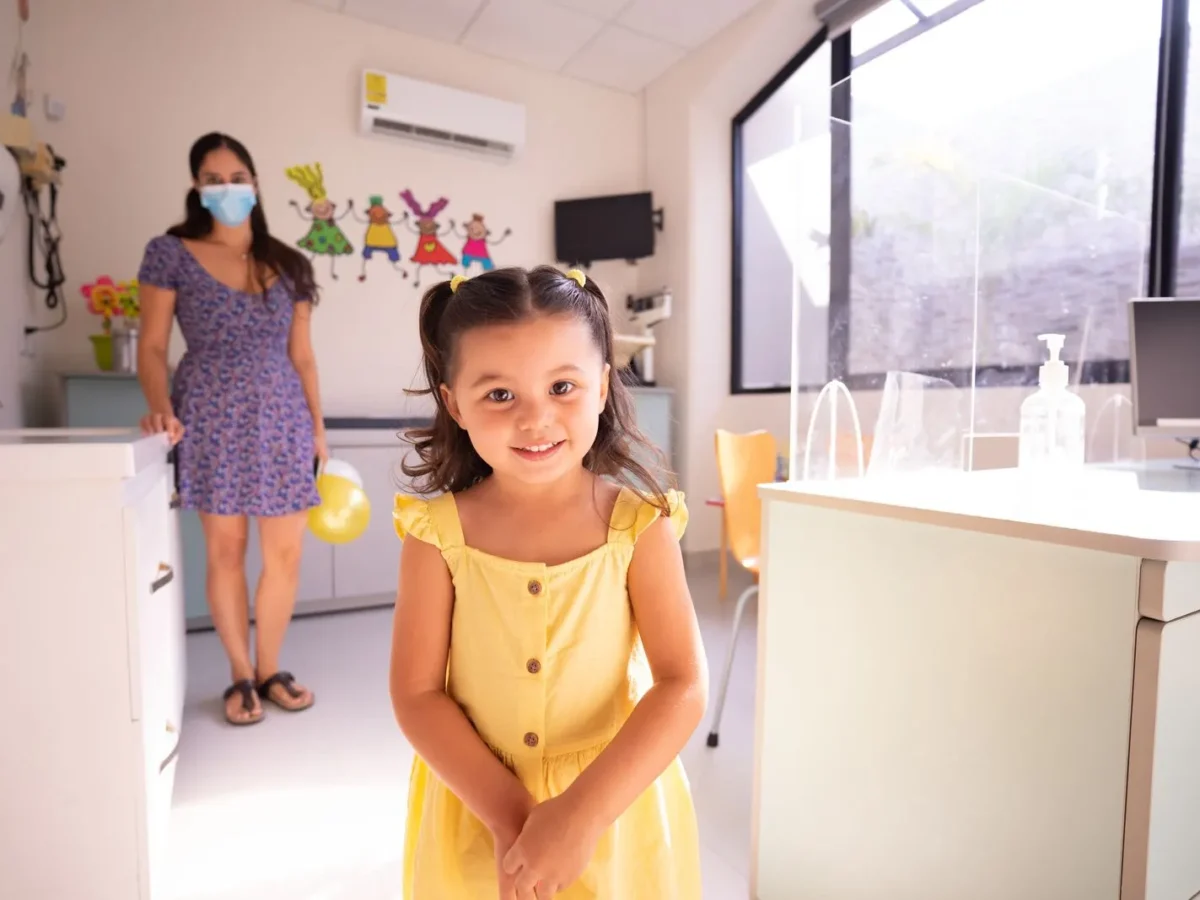
Why treat my child under general anesthesia?
For young children with many decayed teeth, who cannot sleep because of pain but cannot open their mouth in the chair, any treatment done by force can turn into a lasting fear of the dentist. With general anesthesia, often called sleep dentistry, all the teeth that need treatment can be completed in one session while your child is asleep; your child does not remember the process.
At our practice, our first priority is always to help the child get used to the chair through play. We set aside the first session only for getting to know each other and playing. General anesthesia is considered when this approach is not enough or when a lot of treatment is needed. See our pediatric dentistry page for details.
When is it considered?
- Young children with decay in many baby teeth or in the large molars,
- Children who, because of their age, cannot stay in the chair for long or cooperate,
- Children who firmly refuse treatment after a bad experience,
- Children with special needs,
- Urgent situations such as dental trauma or an abscess that cannot be treated in the chair.
The decision is always made after an examination, taking into account your child’s age, the number of teeth to treat, their level of anxiety and their general health. The anesthesiologist also carries out a separate assessment.
Send us your question and our dentist will answer based on your situation. A definite plan cannot be made without an examination; the first step is a short consultation.
What happens on the treatment day?
- Welcome. Your child is welcomed together with their parent in a calm setting.
- Going to sleep. The anesthesiologist puts your child to sleep. You may be able to stay with them at this stage; our team will guide you.
- Treatment. Fillings, root canal treatments, extractions if needed and preventive treatments are done in one session. Blood pressure and pulse are monitored throughout.
- Waking up. You are with your child when they wake up. They stay under observation at the practice until fully recovered.
- Going home and follow-up. You are given feeding and care instructions, and a check-up is planned.
Tips for parents
- Always follow the fasting time. Do not give your child anything to eat in the morning; this would mean postponing the treatment.
- Instead of promising that “it won’t hurt”, give a calm explanation such as “they will fix your teeth while you sleep”.
- Bring a favorite toy or blanket.
- If your child has a fever, cough or diarrhea, let us know before the treatment day.
After treatment: keeping new decay away
Treatment under general anesthesia is not enough on its own; if the habits that cause decay do not change, new cavities can form. After treatment we give you advice on brushing, diet and night-time bottles. With regular check-ups we aim to solve small problems before they grow, in the chair and through play. Read our pediatric dentistry page for preventive treatments.
Frequently asked questions
From what age can general anesthesia be used in children?
The anesthesiologist decides on the age limit after assessing your child’s general health. You will be informed at the examination.
Baby teeth fall out anyway. Do they need treatment?
Baby teeth are used for chewing and speaking, and they hold space for the permanent teeth coming in underneath. Losing them early or leaving them as a source of infection can affect the permanent teeth.
Can I stay with my child during treatment?
You can usually be with your child while they go to sleep and when they wake up. During treatment you will be asked to wait in the waiting area.
When can my child eat after treatment?
Once your child is fully awake, start with water and then soft foods. Our team will tell you the timing.
Where is the treatment done?
At our practice in Pendik Tavşantepe, with an anesthesiologist present. We are at exit 2 of Tavşantepe Metro.
Is sleep dentistry possible for autistic children?
For children on the autism spectrum who cannot cooperate in the chair, general anesthesia is an option. We start with a meeting and examination; suitability is decided by the anesthesiologist’s assessment.

Istanbul University Faculty of Dentistry. Spent nine years at the dental clinic of Pendik Regional Hospital; more than 15 years of experience with general anesthesia and sedation.
Dentist’s pageThe information on this page is for general guidance only. The treatment that suits you is decided by your dentist after an examination and any necessary tests; the duration and outcome of treatment vary from person to person.
Treatments often planned together.
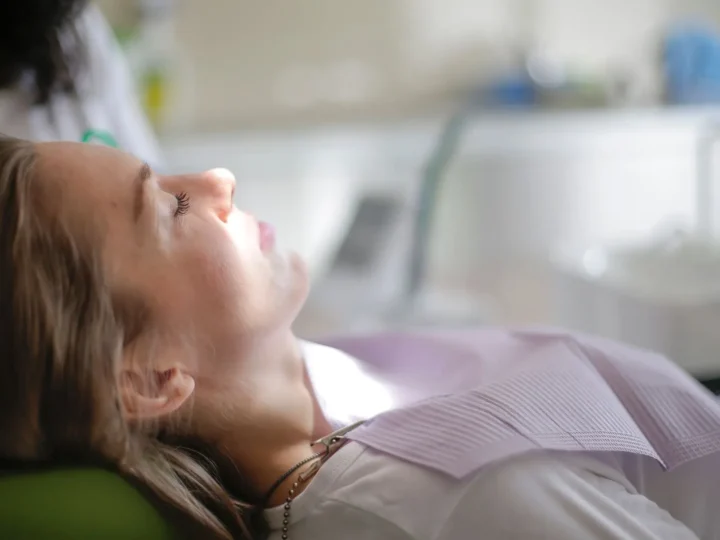 General anesthesia and sedationDental treatment under general anesthesiaChildren who cannot cooperate in the chair and adults with dental fear are treated while asleep, with an anesthesiologist present.
 ChildrenPediatric dentistryTreatment of baby teeth, space maintainers and preventive care. The first visit is only for getting to know each other and playing.
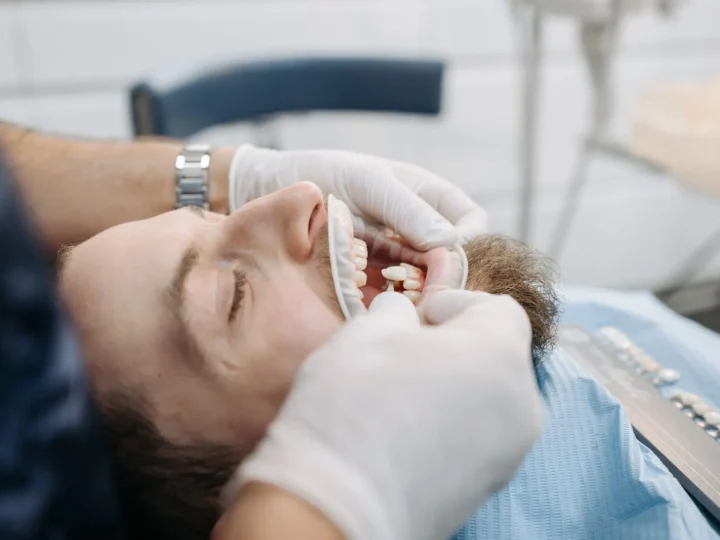 General anesthesia and sedationSedation dentistryYou drift into a sleep-like state with your reflexes preserved; you do not feel or remember what happens during treatment.
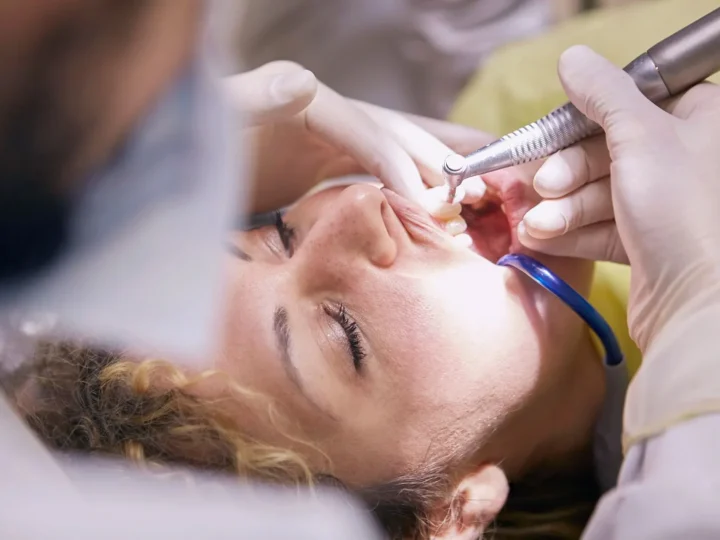 General treatmentsDental fillingsAfter the decay is removed, the tooth is restored to its natural shape with tooth-colored composite fillings.